When someone tells us they’re looking for K9 training in North Carolina, we still have one important question: what do you need your dog to do differently? Sometimes the answer is simple. The dog pulls on walks, ignores a recall, or has no idea how to settle when company comes over. Sometimes there’s a bite, serious reactivity, or another behavior that changes the safety of the situation. And sometimes “K9” really does mean a police working dog.
Those aren’t different levels of the same service. They’re different kinds of work, and sorting that out first will save you from choosing a program because the name sounds right.
Start With What’s Happening at Home
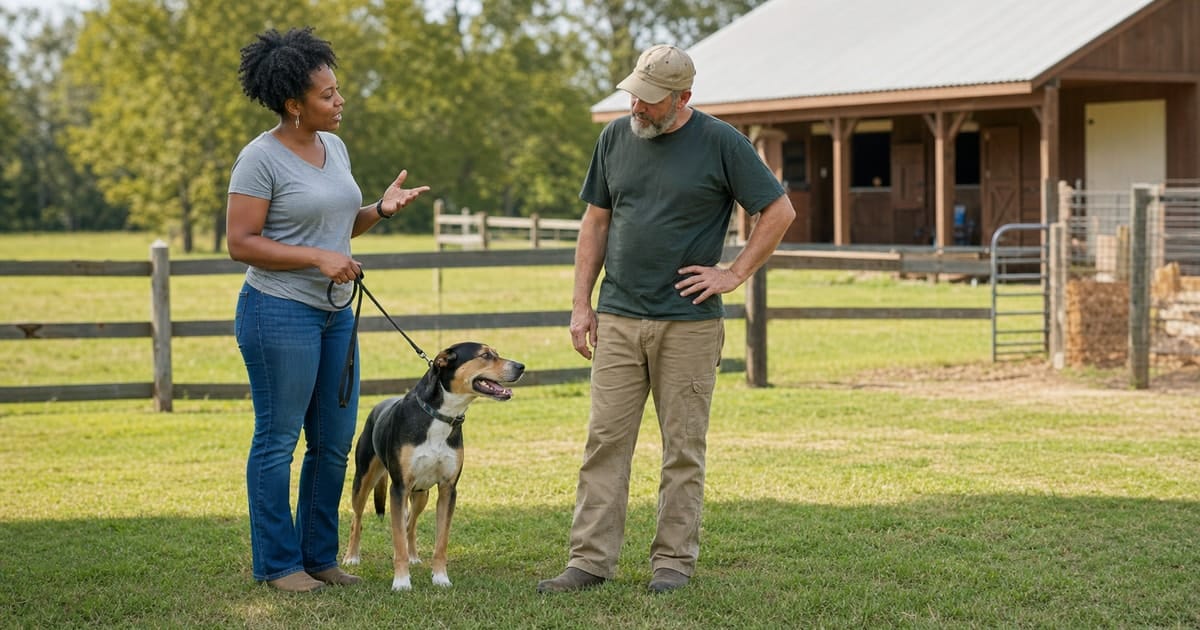
For most owners, the problem shows up in ordinary moments. You open the door and the dog rushes a visitor. You start a walk and spend the next thirty minutes being pulled down the street. The dog listens in the kitchen but acts as if you don’t exist once another dog appears.
That’s family-dog training. The goal isn’t to create a police dog or put on a perfect demonstration. It’s to build enough communication and control that daily life works better.
If you have a puppy, the conversation starts a little earlier. Puppy Training is about the habits taking shape right now: attention, recall, leash skills, boundaries in the house, and confidence around new things. You’re not asking a puppy to behave like an adult dog. You’re making sure the puppy has a clear foundation to grow into.
Private Training or Board and Train?
This is where many owners get stuck, and the honest answer is that neither program is automatically better.
With Private Dog Training, you’re learning with the dog from the beginning. That makes sense when the concern can be handled safely, you want direct coaching, and you can practice between lessons. The trainer can show you what to change, but the progress still depends on what happens during the rest of the week.
Board and Train (Farm Stay & Train) puts more of the early repetition in the trainer’s hands. It can make sense when the dog needs a concentrated period of daily structure or when building that foundation through occasional lessons would be difficult. But it doesn’t remove you from the process. The dog still comes home, and you still need to learn how to handle and maintain the work.
So don’t choose Board and Train only because you’re busy, and don’t choose private lessons only because they feel less involved. Ask a more useful question: where does the early work need to happen, and can I carry my part once the trainer isn’t standing beside me?
When It’s More Than an Obedience Problem
A dog can sit, stay, and heel and still be unsafe around a particular trigger. If you’re dealing with lunging, biting, guarding, intense reactions to people or animals, or a dog you can’t physically control in certain situations, don’t reduce the problem to “he doesn’t listen.”
That’s the time to begin with Behavior Modification and an honest evaluation. Tell the trainer what actually happened. Where were you? What changed right before the reaction? What did the dog do? What finally ended it? Those details are much more useful than calling the dog stubborn, dominant, or bad.
Share any bite history or other safety concern before a meeting. And if the behavior changed suddenly or the dog may be in pain, talk with your veterinarian as well. Training can address behavior and handling, but it can’t rule out a medical cause.
Police K9 Work Is Its Own Conversation
NC K9 began in police canine work before pet-dog training was added, and the difference matters. A police dog isn’t simply a highly trained family dog. The dog is selected for a defined job, the handler is part of the working system, and the agency has to maintain that team after the initial training is over.
North Carolina agencies looking for a dog or team development can review Police K9 Training. Existing teams with a specific maintenance problem can review Training Seminars for tracking, scent detection, decoy work, or problem solving.
You Don’t Need to Diagnose the Dog First
Before you contact a trainer, write down the dog’s age, what’s happening, when it happens, who normally handles the dog, and what you need to be different. That’s enough to begin. You don’t have to know the final program name before someone has heard the whole situation.
NC K9 trains at its farm in Four Oaks and works with pet owners from Raleigh, Johnston County, and surrounding communities. Working-dog inquiries are handled separately for agencies across North Carolina.
Choose the Dog Training Program page closest to your concern and use the inquiry form there. If your situation crosses more than one category, start with the program overview and describe both concerns.