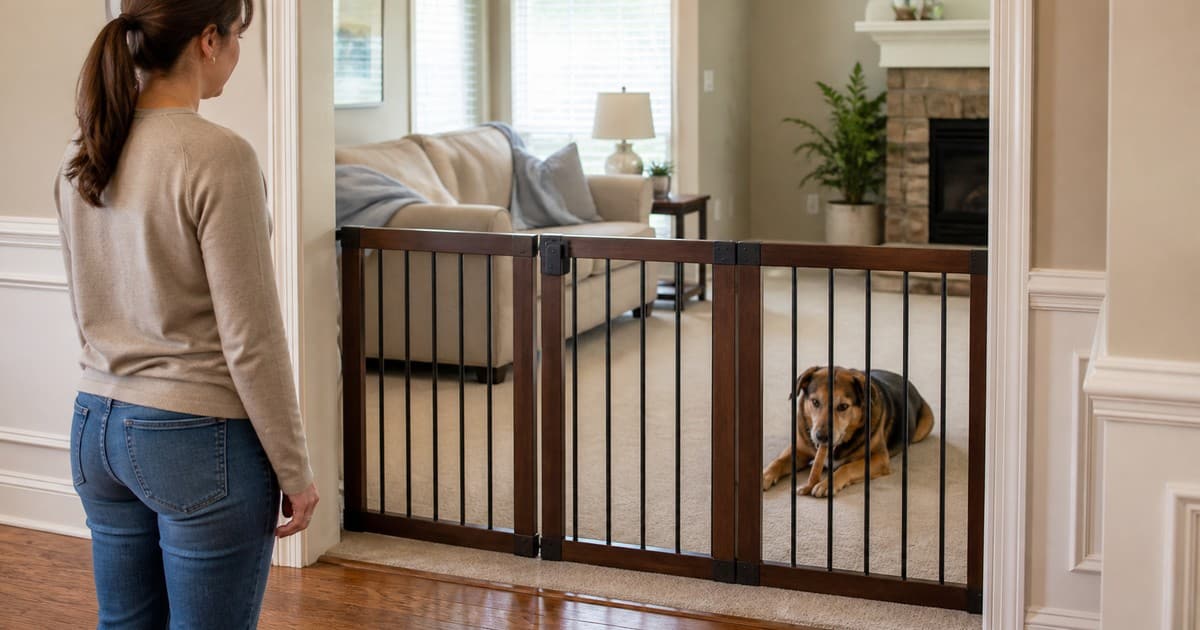
Dog Behavior
Resource Guarding in Dogs: Signs, Safety, and When to Get Help
Learn the early signs of resource guarding, how to reduce confrontation risk, what to record, and when professional help is needed.

Learn the early signs of resource guarding, how to reduce confrontation risk, what to record, and when professional help is needed.
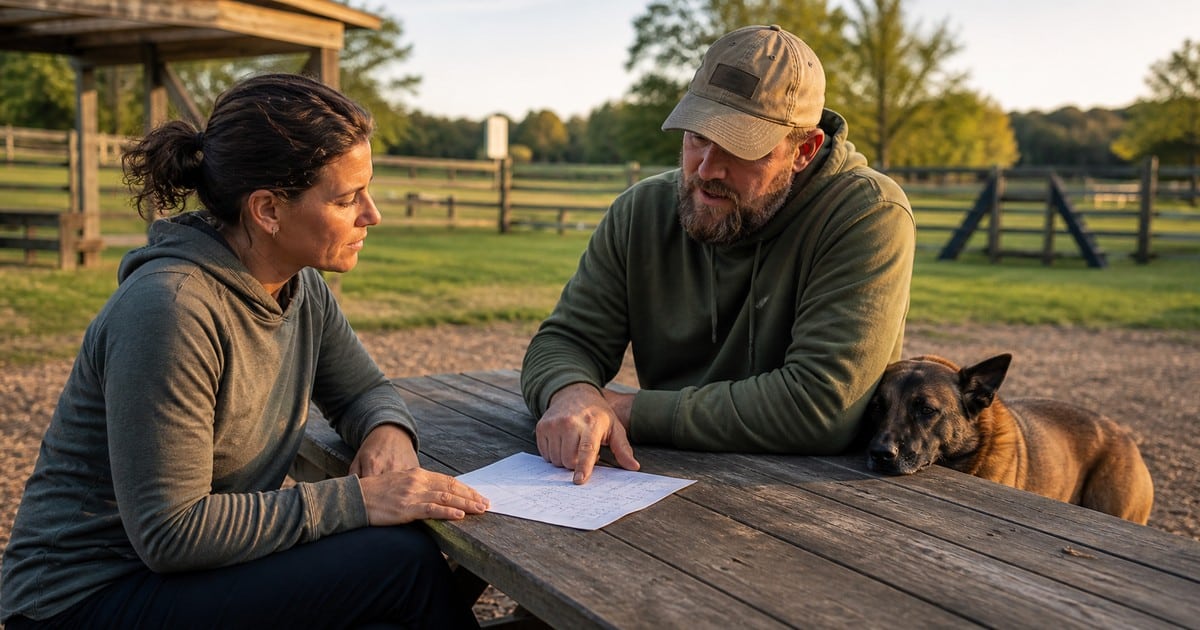
Dog training cost in Raleigh depends on the problem, program format, owner workload, training environment, and support included.
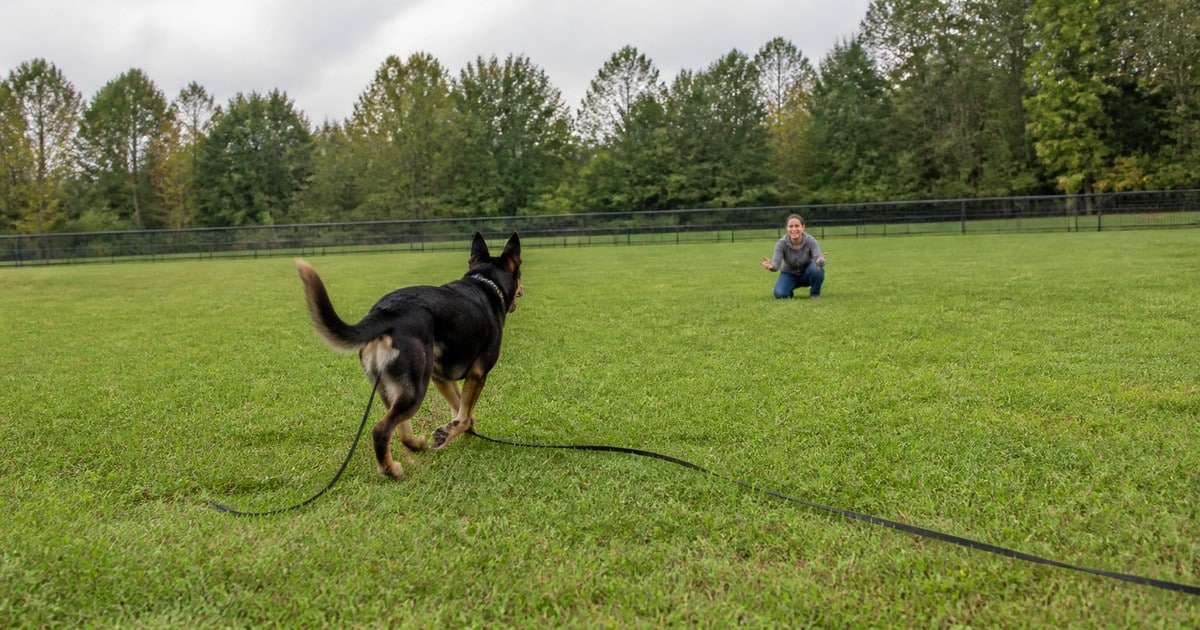
Build a reliable recall with a safe progression of distance and distractions before testing your dog off leash.
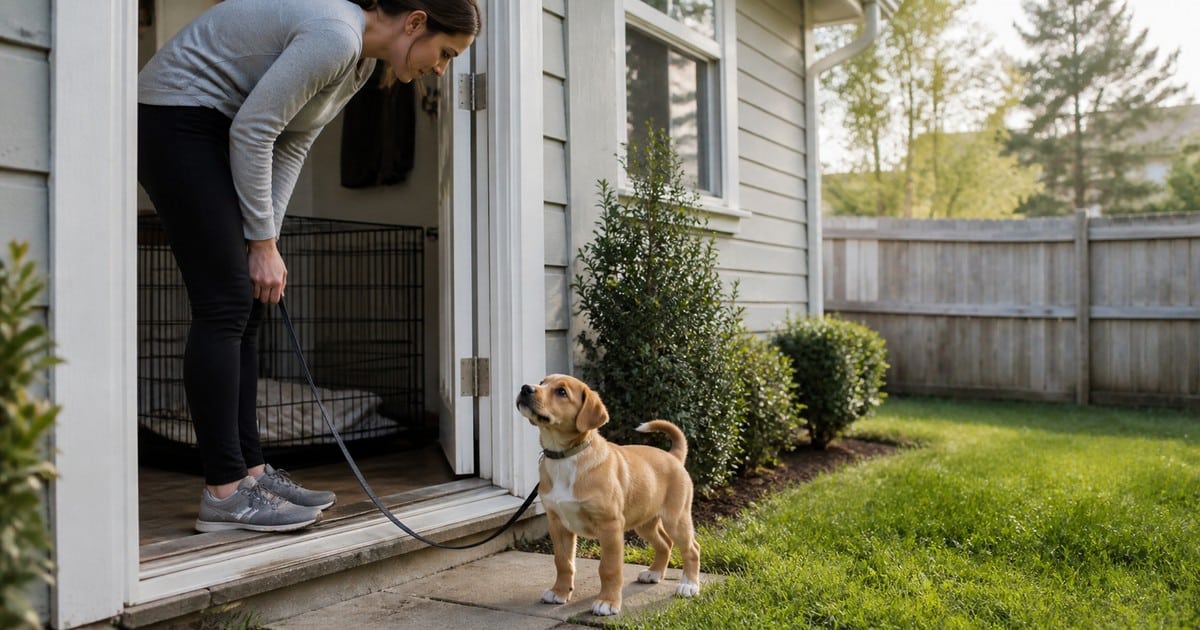
Puppy potty training works best when crate time, outdoor breaks, supervision, and daily transitions form one predictable routine.
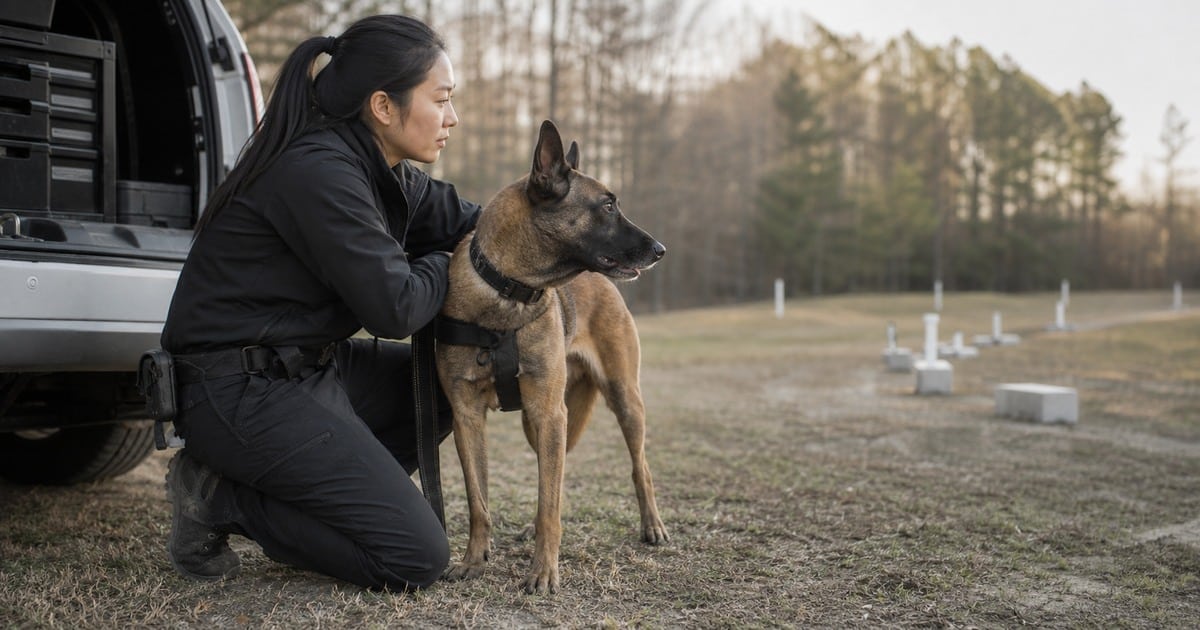
Police K9 handler training should build judgment, observation, documentation, problem recognition, and a maintenance plan—not just familiarity with instructor-led exercises.
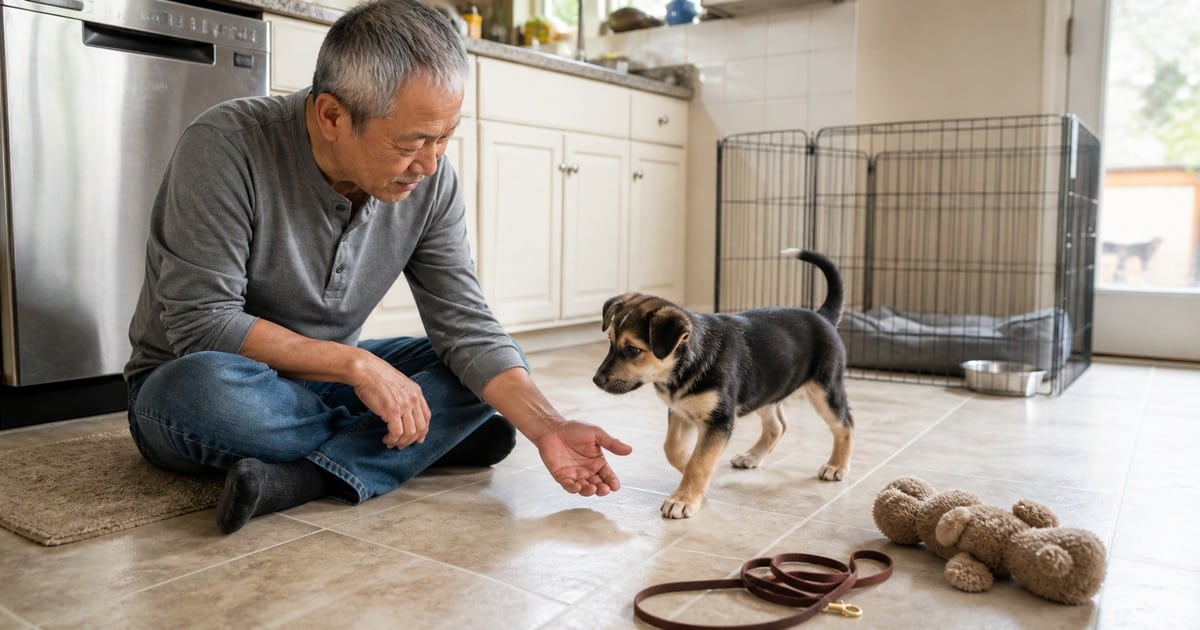
Puppy training begins at home with routines, attention, rest, handling, and short practice. Use readiness—not a rigid age—to decide when to add more difficulty.
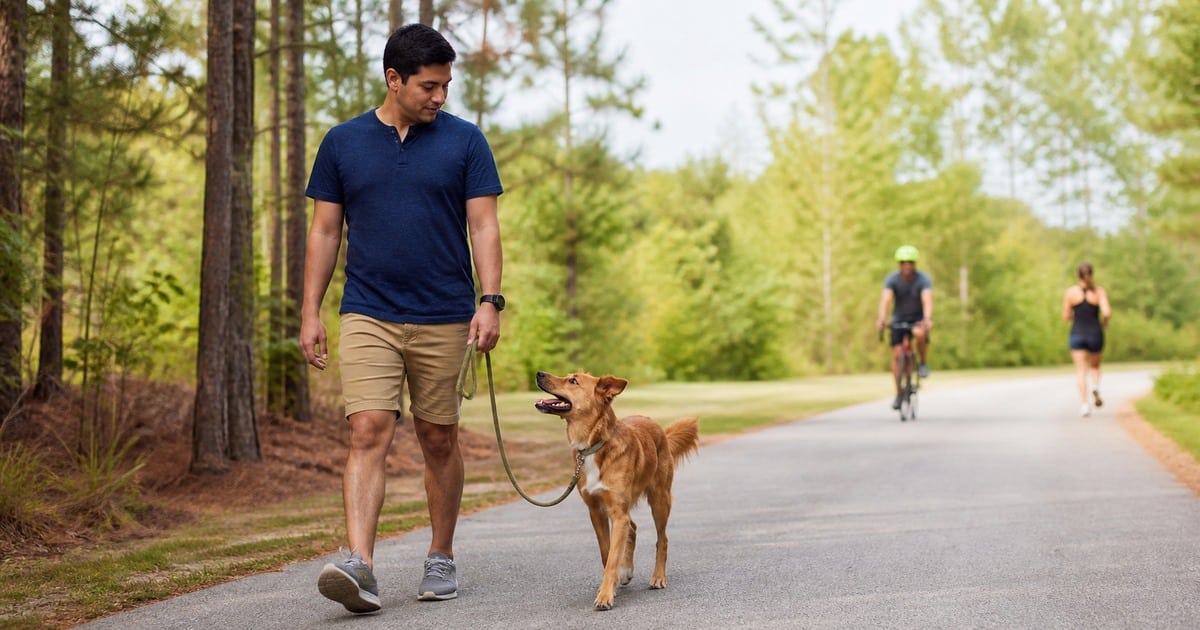
Loose-leash walking improves when practice matches the dog’s actual difficulty. Build a distraction ladder, stop rewarding the pull, and learn where your dog can still respond.
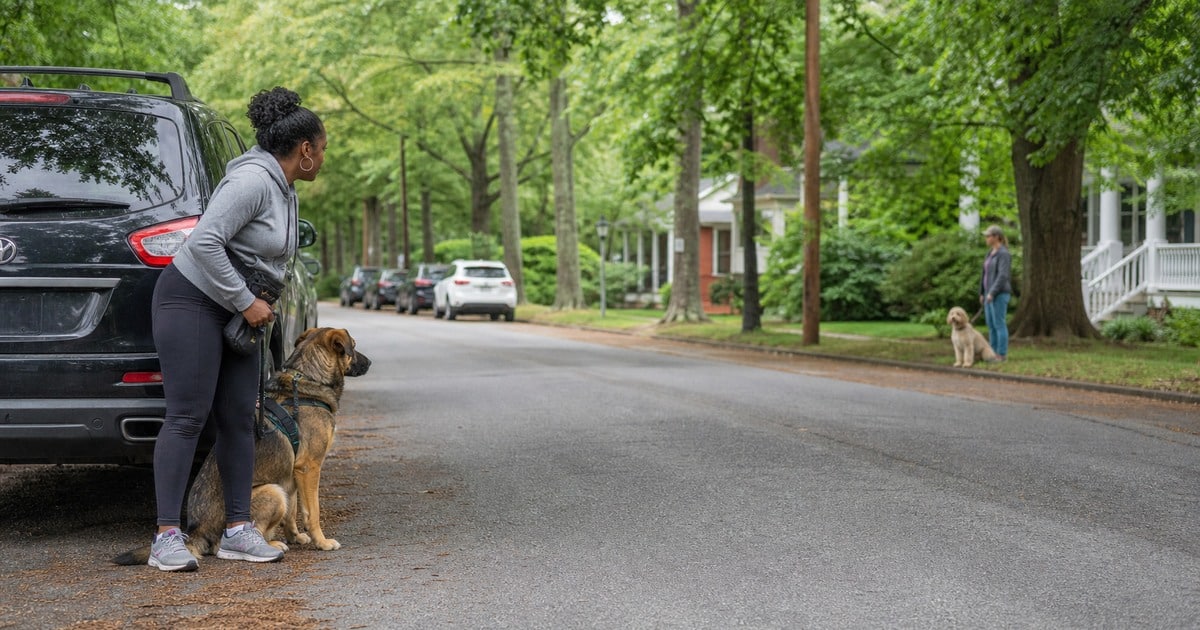
The leash changes a dog’s options, distance, and response to pressure. Learn what to observe before a reaction, how to keep a useful walk log, and when the behavior needs professional evaluation.
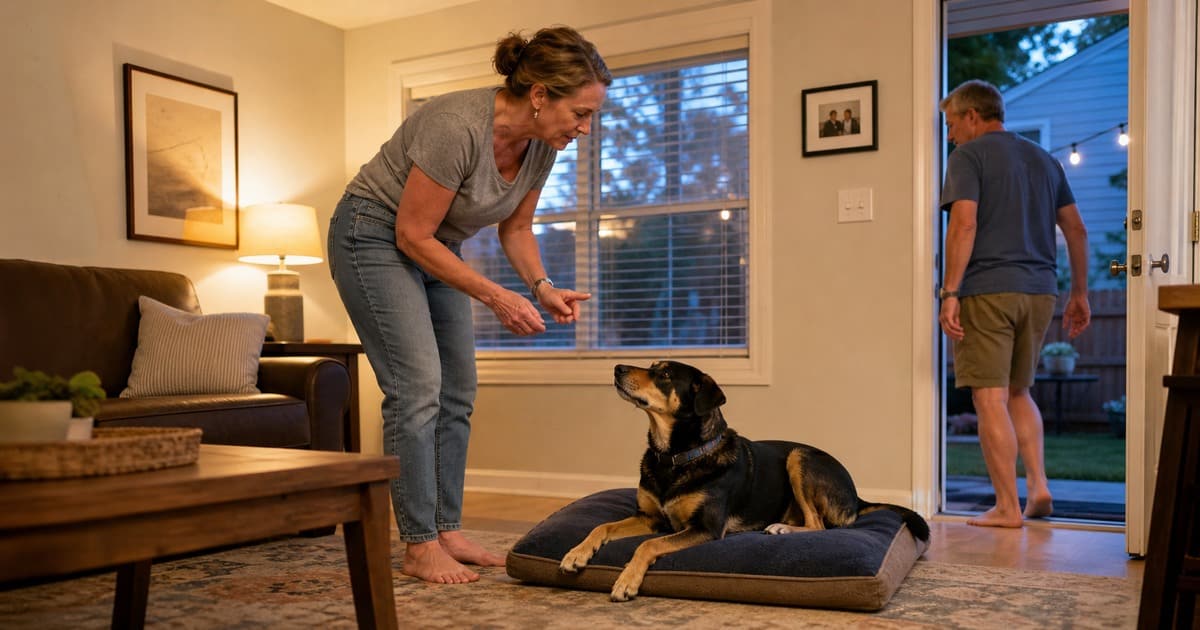
The first month after board and train is a transfer of responsibility. Learn how to handle the return home, rebuild daily routines, and add real-life difficulty without losing the plan.

A clean repetition does not always prove reliability. Give the maintenance session one job, watch both sides of the team, and carry the finding into the next session.