
“Leave it” means do not take the item. “Drop it” means release something already in your mouth. Dogs need both cues because prevention and recovery are different jobs, and using one word for both can make an urgent moment less clear.
Owners often discover the difference when a dog finds food on a walk, grabs a child’s toy, or picks up something dangerous. If the dog has not touched the object, use leave it. If the object is already in the dog’s mouth, use drop it and trade rather than chasing or prying.
Teach leave it as a choice away from the item
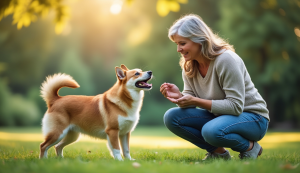
Start with the dog on leash in a quiet room and a low-value piece of food under your closed hand. Let the dog investigate without repeating a cue. The moment the dog backs away, turns their head, or stops trying, mark that choice and reward from your other hand.
The covered item is not the reward. That distinction matters because leave it should mean the object is unavailable, not “wait long enough and you will receive that exact thing.”
As the dog succeeds, progress through small steps: a closed hand, an open hand you can close quickly, an item covered by your foot, and then an item on the floor while the dog is safely leashed. Add the words “leave it” only when the dog is already beginning to make the correct choice.
Teach drop it as a safe trade
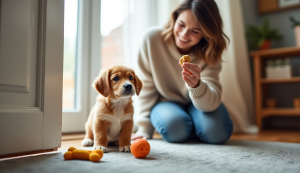
Begin with a toy the dog likes but does not guard intensely. Let the dog take it, then present a worthwhile trade close enough for the dog to notice. When the mouth opens, mark the release, give the reward, and often return the toy.
Returning the safe toy teaches the dog that releasing an object does not always end the fun. Once the release is predictable, say “drop it” just before presenting the trade. Over time, pause after the cue so the dog has a chance to respond before seeing the reward.
Use a simple decision rule
- Object ahead of the dog: leave it.
- Object in the dog’s mouth: drop it.
- Dangerous object: manage the emergency first and contact a veterinarian or poison resource when ingestion is possible.
- Guarding, freezing, growling, or snapping: stop practicing casual trades and get qualified help.
Do not test either cue with medication, cooked bones, sharp objects, or toxic food. Train with safe objects so the response is available when an accident happens.
Avoid turning the object into a game
Running after a dog can make possession more exciting. Reaching into the mouth can create conflict and a bite risk. Repeating either cue while the dog continues chewing teaches the dog that the words are background noise.
Instead, control access, use a leash when appropriate, keep your body calm, and make the correct response worthwhile. If the dog cannot disengage from a practice item, lower its value or increase the value of your trade.
Take each cue into daily life separately
Practice leave it around safe food, household objects, and outdoor distractions at a distance. Practice drop it during toy play and with a few safe objects of different textures. Do not assume success with a rope toy guarantees success with a stolen napkin or a chicken bone.
Keep a short record: what the item was, how close the dog was, which cue you used, and whether the dog responded once. That gives you a useful next training step instead of a vague impression that the dog “knows it sometimes.”
If your dog stiffens, hides with objects, growls, or has bitten over possessions, review NC K9’s guide to resource guarding signs and safety. For a broader plan built around your household, private training provides room to work on cue clarity and handling without creating a confrontation.
The best result is not winning an object from your dog. It is giving the dog two clear, practiced ways to make a safe choice.