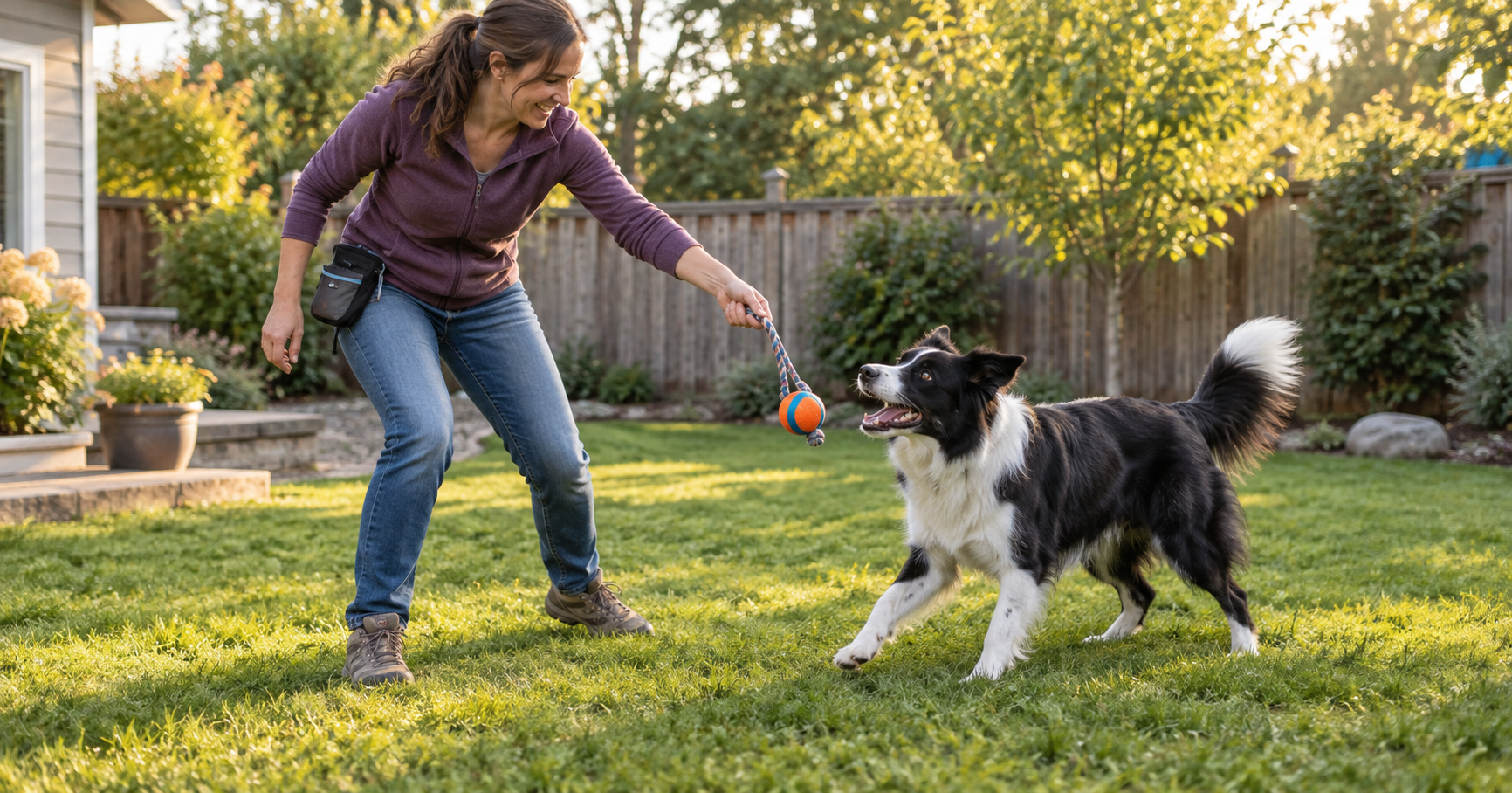
Yes, you can use rewards other than food in dog training. The important question is not whether a reward looks impressive to you; it is whether your dog values it enough, in that moment, to make the behavior worth repeating.
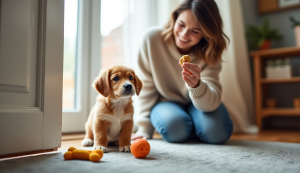
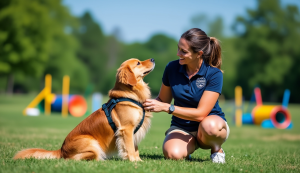
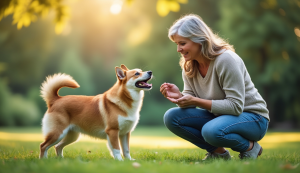
Food is popular because it can be delivered quickly and in small pieces. That does not make it the only reward, and it does not mean every dog will work for every treat in every environment. Toys, play, sniffing, movement, access to a safe space, and social attention can all reinforce behavior when they genuinely matter to the dog.
Make a reward menu from the dog’s point of view
Write down five things your dog chooses when they are available. Be specific. “Play” is broad; “a ten-second game with the ball on a rope” is usable. “Outside” is broad; “permission to sniff the hedge after three loose-leash steps” creates a clear sequence.
The AKC’s reward-training guidance recommends ranking rewards according to what the dog finds valuable. That ranking can change. A toy that works in the living room may lose to a squirrel outside. Quiet praise may matter after a familiar behavior but be too weak for a new skill around distractions.
Match the reward to the behavior
- For a fast active behavior: a brief chase or tug game may fit, provided play remains safe and can end clearly.
- For leash work: forward movement or permission to sniff can reward slack in the leash.
- For calm duration: quiet contact, access to a resting spot, or a chew may fit better than explosive play.
- For a dog who likes food: food can still be the cleanest choice. “Other rewards exist” is not a reason to remove a tool that is working.
Timing still matters. If you ask for a behavior, walk across the room, search for a toy, and then begin playing, the dog may not know which moment earned it. Prepare the reward before the repetition and keep the connection easy to read.
Run a simple comparison
Choose one easy behavior your dog already knows. In a quiet place, reward three correct repetitions with one option, then pause. Later, try another option at the same difficulty. Notice how quickly the dog returns, whether the behavior stays clear, and whether the reward creates a state that helps or disrupts the next repetition.
This is not a competition to prove that toys beat food. It is a way to learn what each reward is good for. Our article on dogs who seem to listen only when treats are visible explains how to separate the cue from the sight of food. Hiding food is a mechanics problem; eliminating all food is not the automatic solution.
Watch for the false reward
Praise is not rewarding just because you said it warmly. Petting is not rewarding if the dog ducks away. Access to another dog is not an appropriate training reward when the greeting is unsafe or unwanted. The dog’s next choice gives you information.
If your dog suddenly stops eating, playing, or engaging, do not turn the session into a motivation test. Stress, environmental difficulty, fatigue, and health changes can all affect interest. End the session, consider the setting, and speak with your veterinarian about new appetite or health concerns.
Keep a few rewards ready that your dog actually wants, and choose one that suits the lesson. Notice whether it helps your dog repeat the behavior and stay ready for the next attempt.