Puppy Training
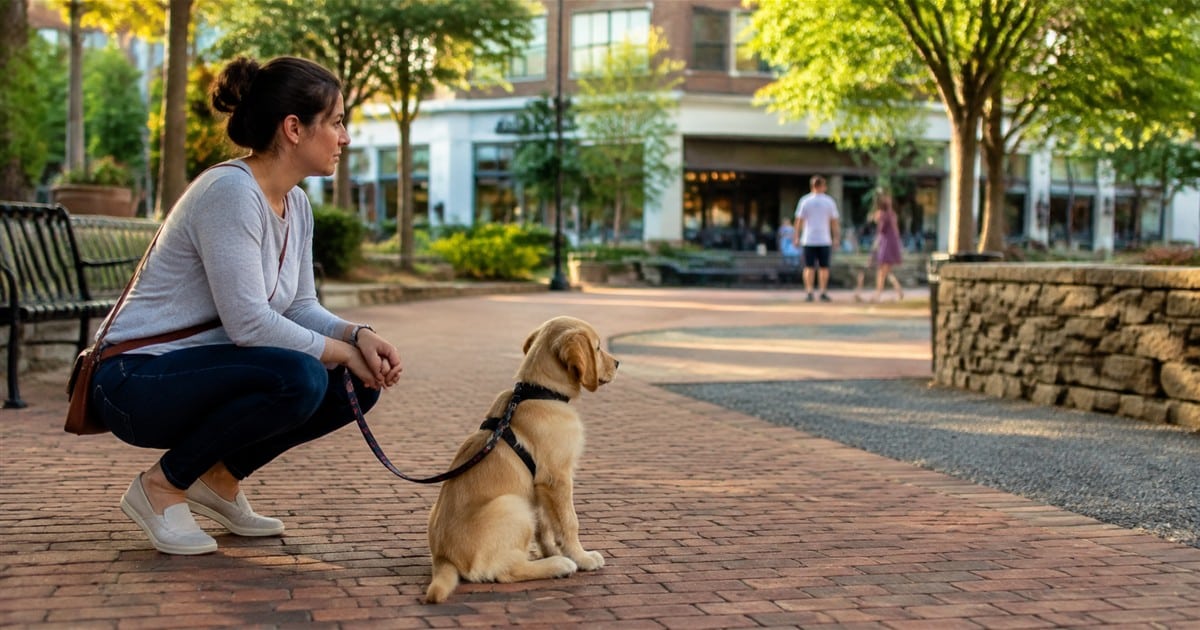
Puppy Socialization Without Overwhelming Your Puppy
Good puppy socialization uses safe, positive exposure without forcing greetings. Let the puppy’s ability to observe and recover set the pace.

Good puppy socialization uses safe, positive exposure without forcing greetings. Let the puppy’s ability to observe and recover set the pace.
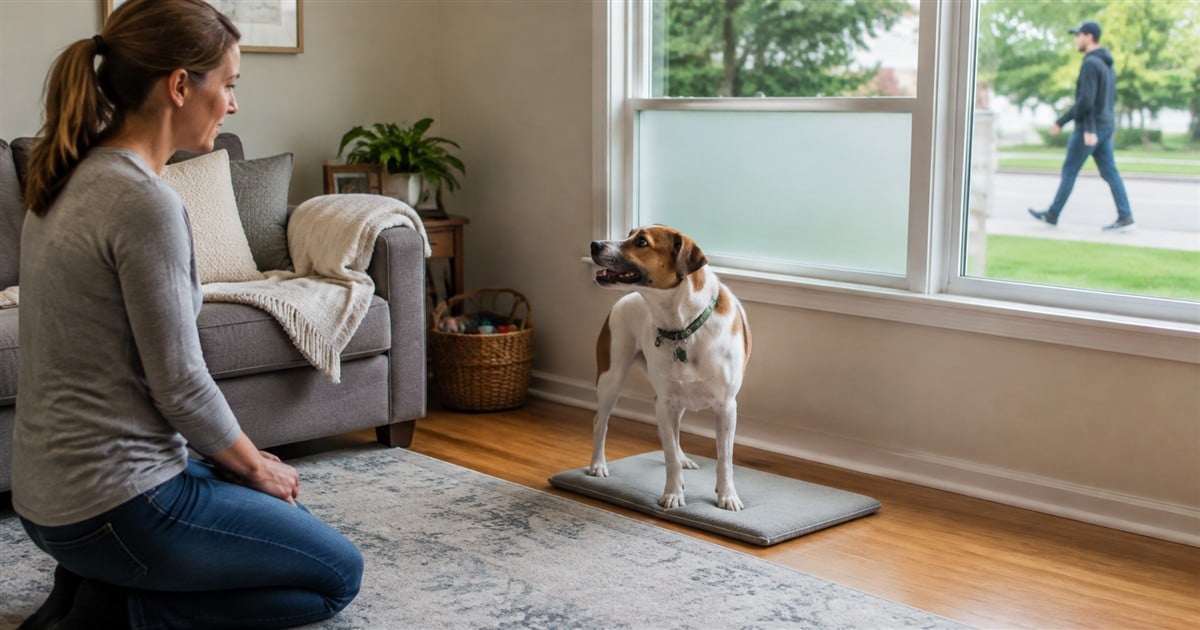
Reduce window barking by controlling unsupervised access, identifying the trigger, and teaching a clear route away from the glass.
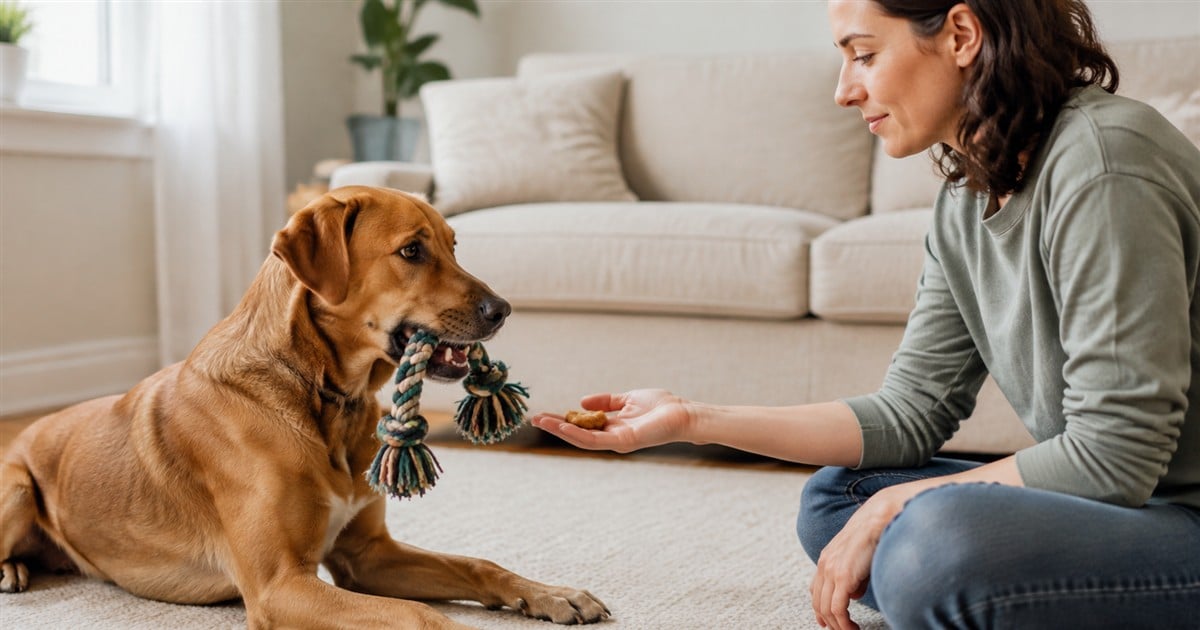
Leave it prevents a dog from taking an item; drop it releases one already in the mouth. Learn a safe, separate method for each cue.

If your dog responds only when food is visible, separate the cue from the lure and keep reinforcement clear with this practical progression.
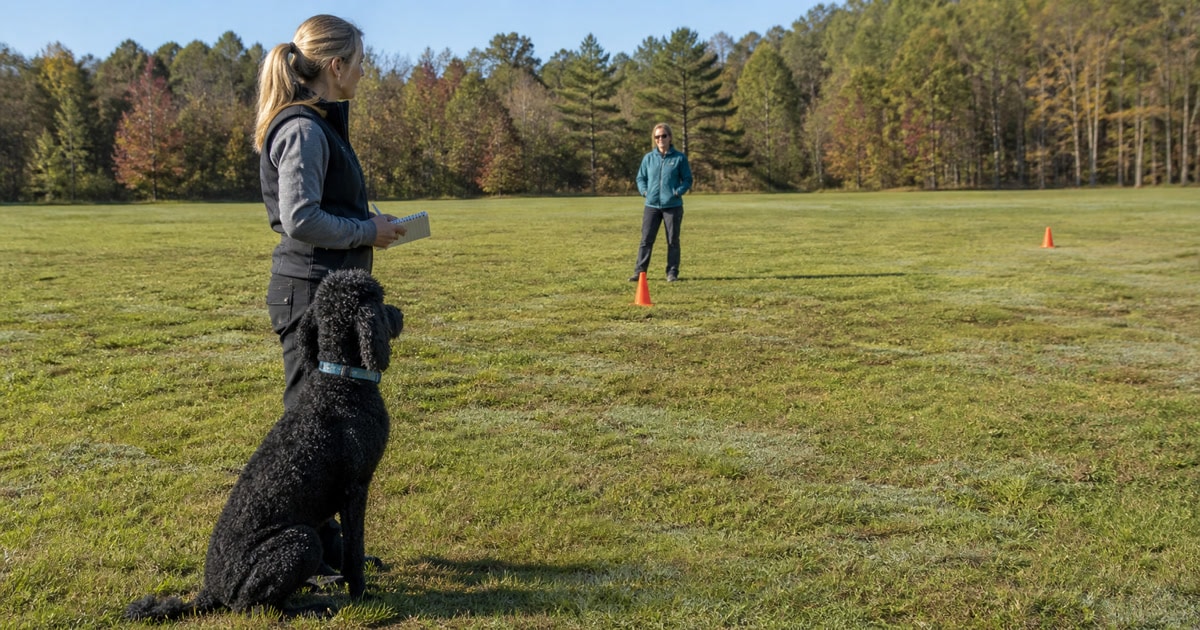
Define the stalled measure, return to an easier picture, and change one training variable before adding pressure or repeating cues.
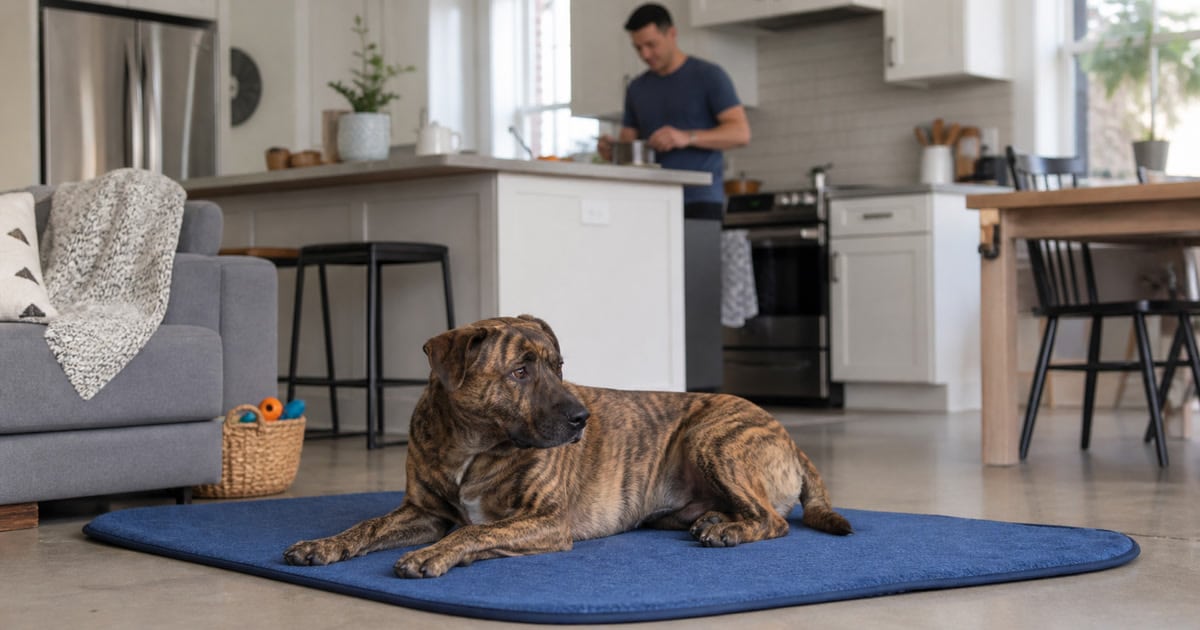
Teach mat settling by building location, relaxed position, duration, distance, and distraction one clear step at a time.
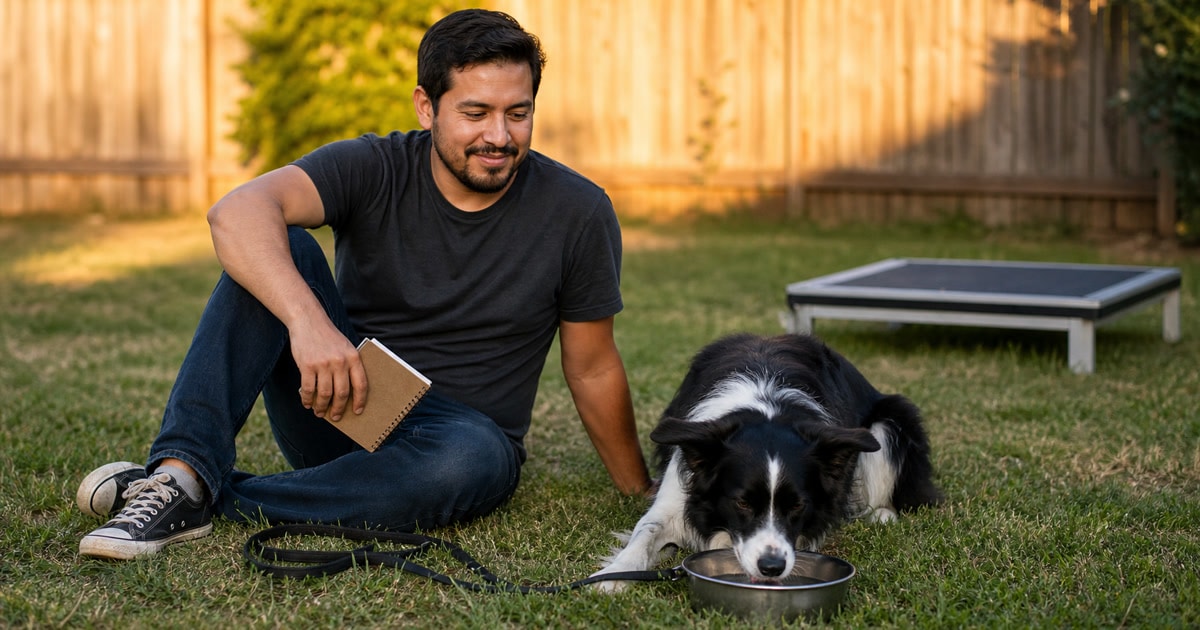
Use the last three repetitions—not a fixed clock—to decide when to simplify, take one clean success, and end a training session.
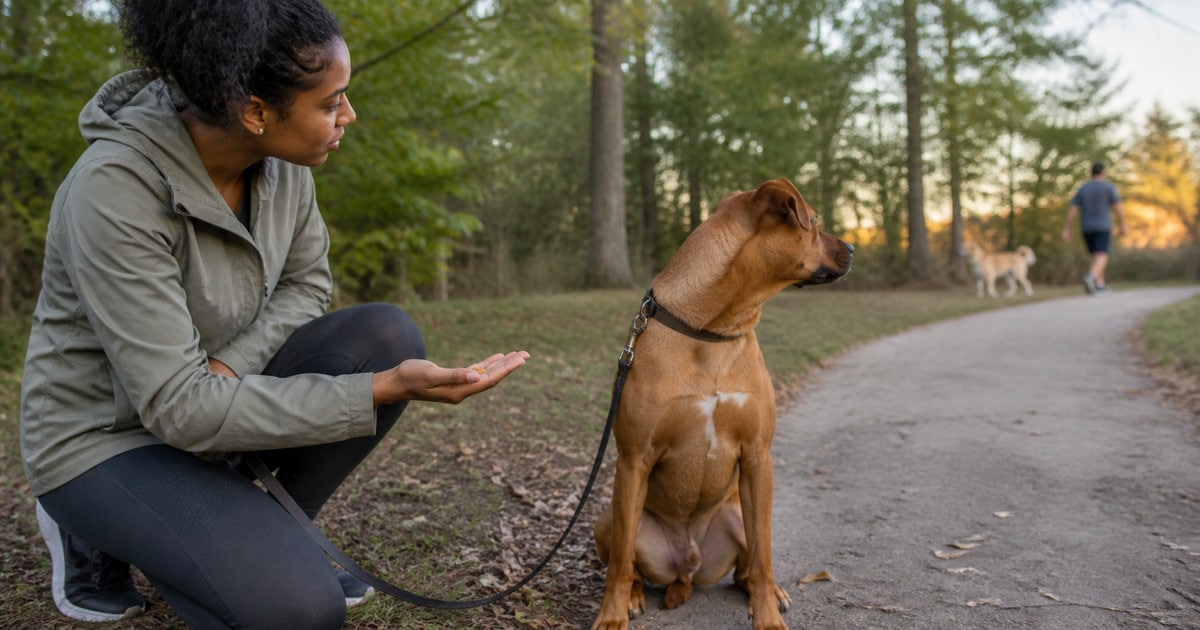
A dog refusing treats gives you useful information about the environment, arousal, reward, session, or possible physical change.
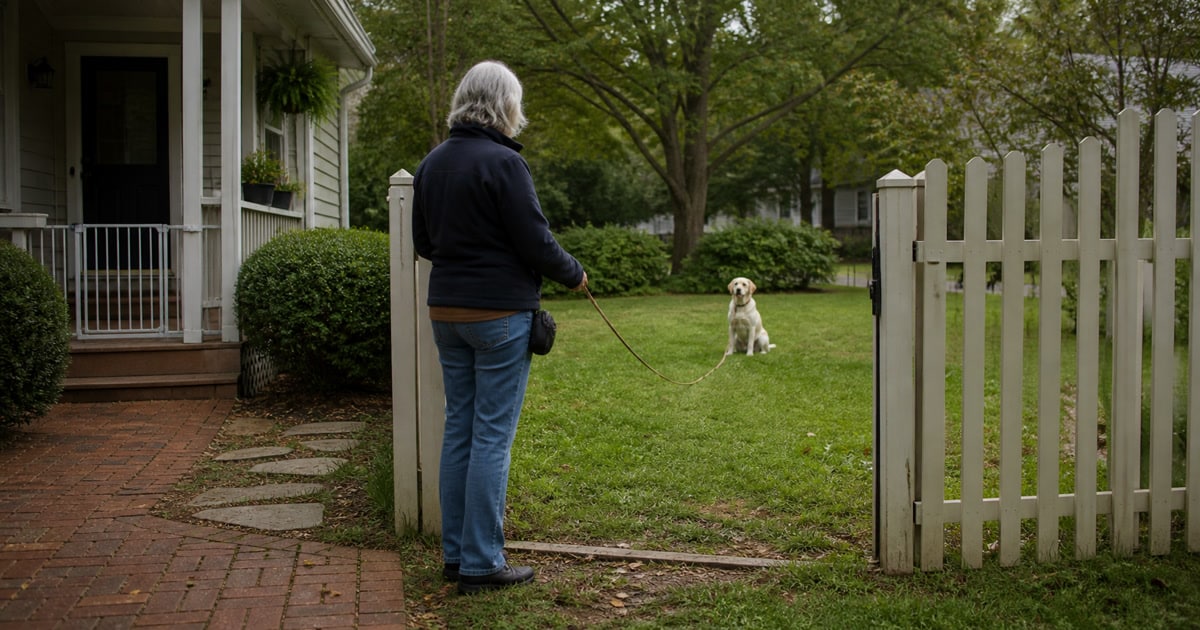
Management prevents unwanted practice today; training builds tomorrow’s skill. Learn how to use both without removing safety too soon.
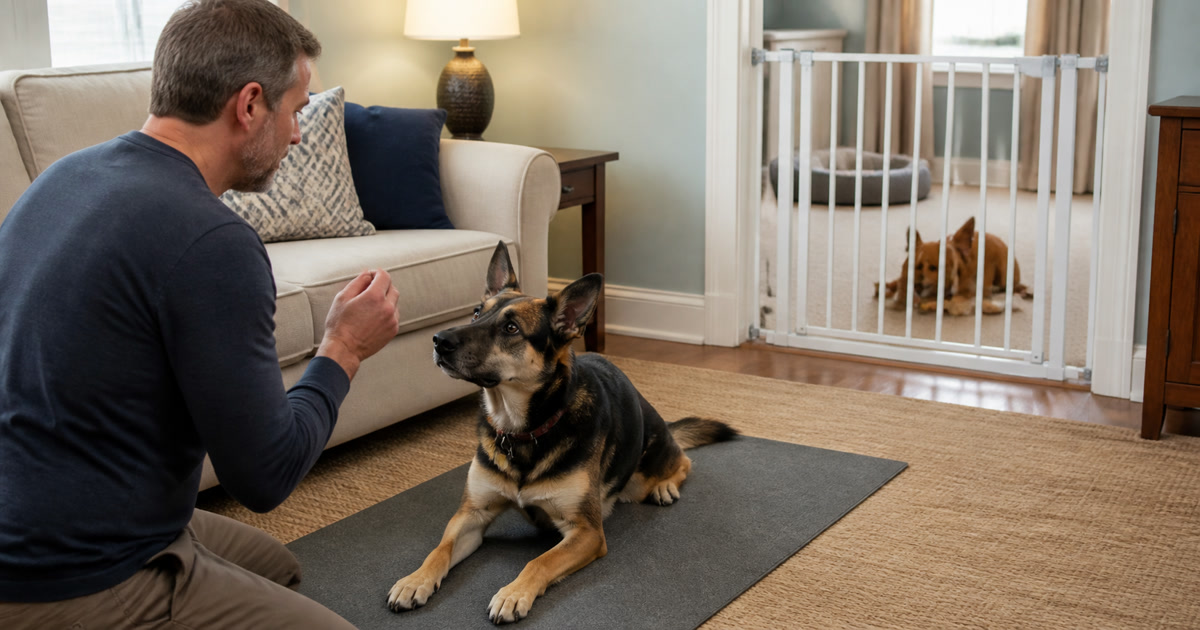
Train new skills one dog at a time, then use names, releases, stations, and a readiness test before practicing together.