Dog Behavior
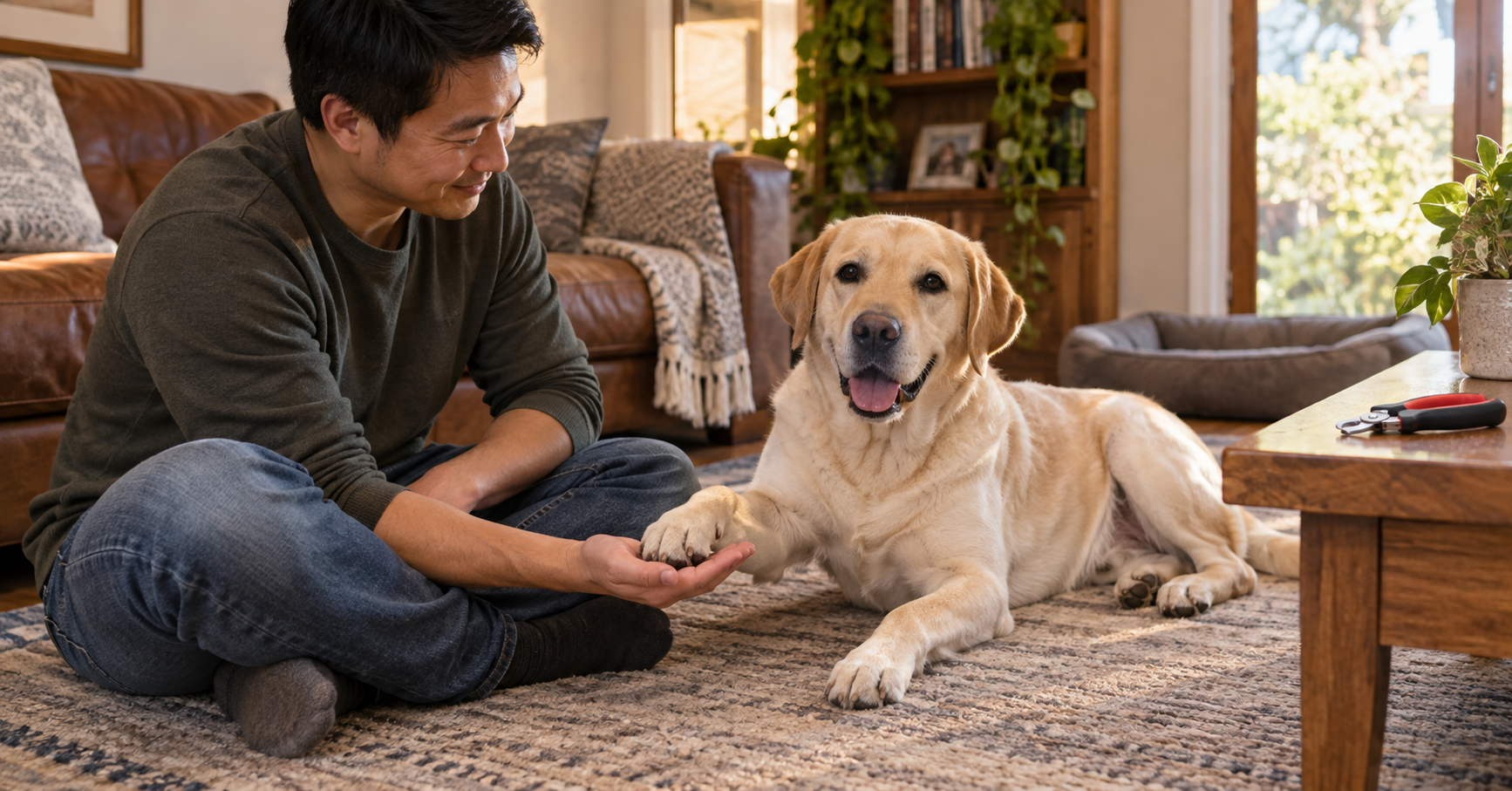
How to Help Your Dog Get Comfortable With Paw Handling
Break paw handling into small voluntary steps, stop before a struggle and separate training from urgent medical or nail-care needs.

Break paw handling into small voluntary steps, stop before a struggle and separate training from urgent medical or nail-care needs.
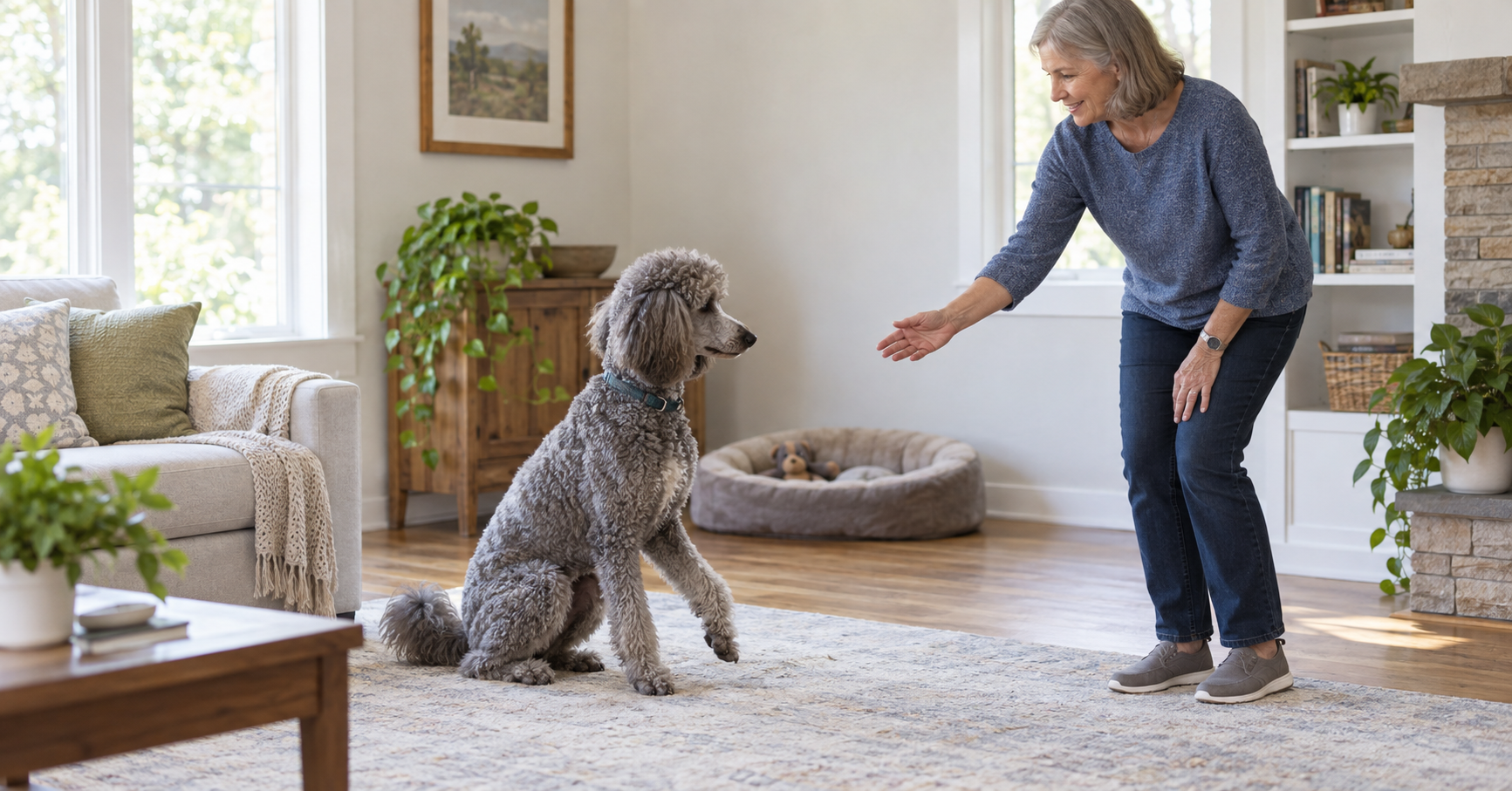
A release cue gives a behavior a clear ending. Teach the word before adding time, distance or distractions, and keep it separate from the next cue.

Leash grabbing may follow play, frustration or rising excitement. Read the ten seconds before it starts, respond safely and move the lesson earlier.
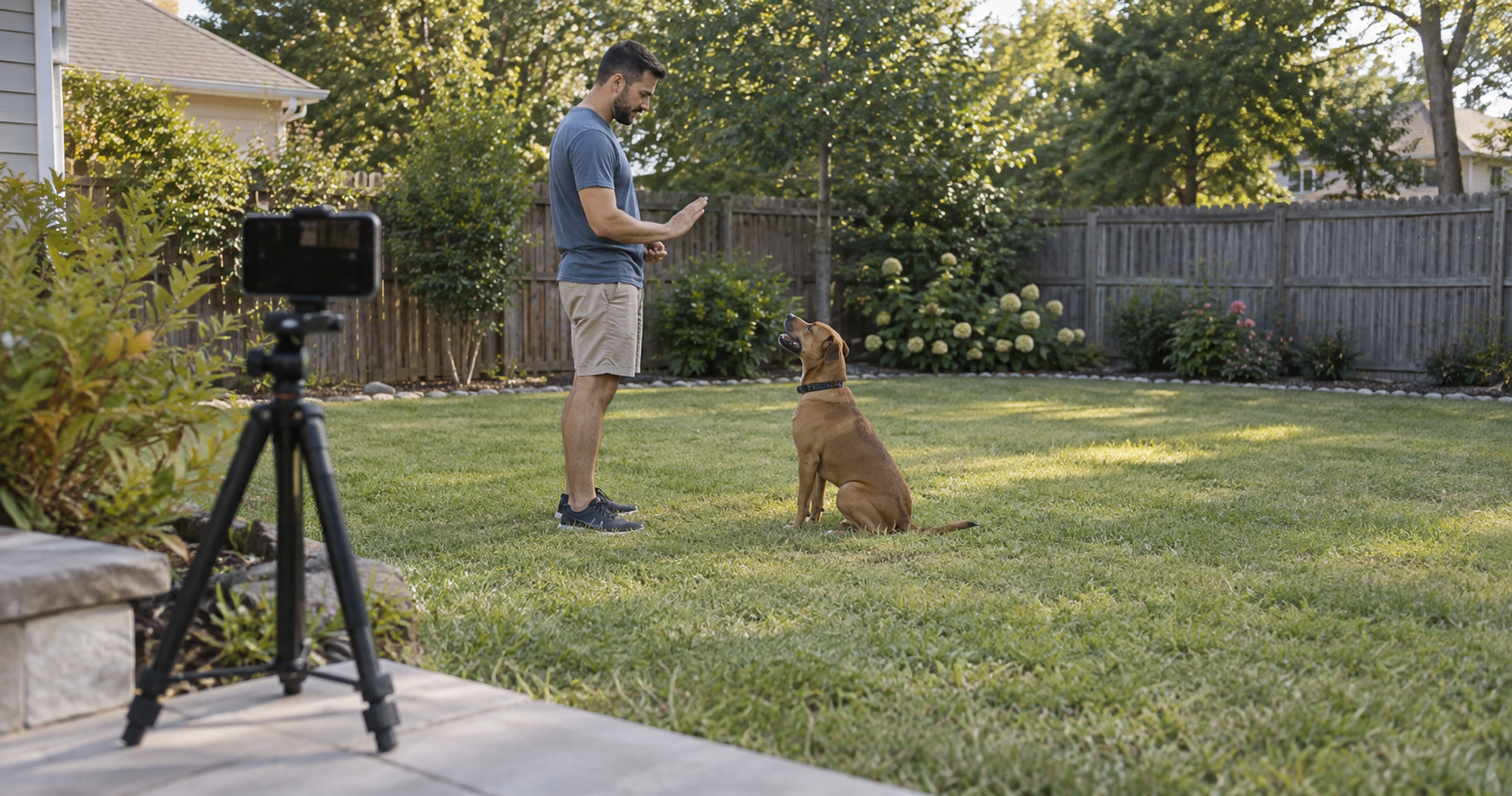
Record safe, ordinary practice with the full dog, handler and original sound. Add context without provoking a problem or editing away the sequence.

Allow safe sniffing while building loose-leash movement. Teach clear transitions between walking and exploring without withholding bathroom needs.

Separate harness avoidance into seeing, approaching, fitting and wearing. Check comfort, start with a voluntary step and plan safe necessary outings.

Use an appropriate toy, a calm pause and a check of basic needs to manage puppy play biting. Learn which signs need professional attention.
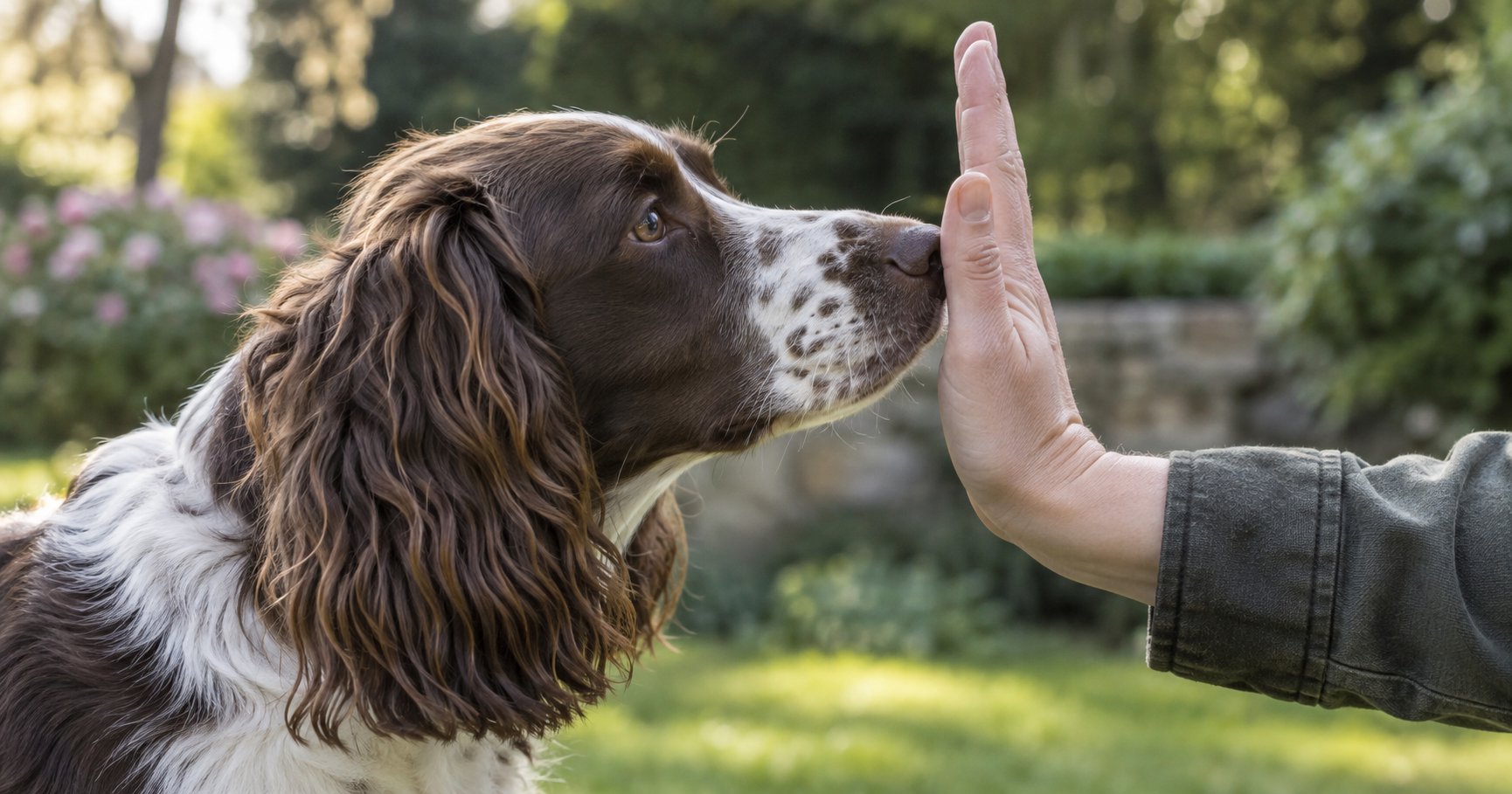
Teach a voluntary nose-to-palm touch with clear timing, then use it for simple positioning without chasing the dog with your hand.

Agree on the cue, finished behavior, reward, release and reset. A small shared plan helps family members give their dog recognizable information.
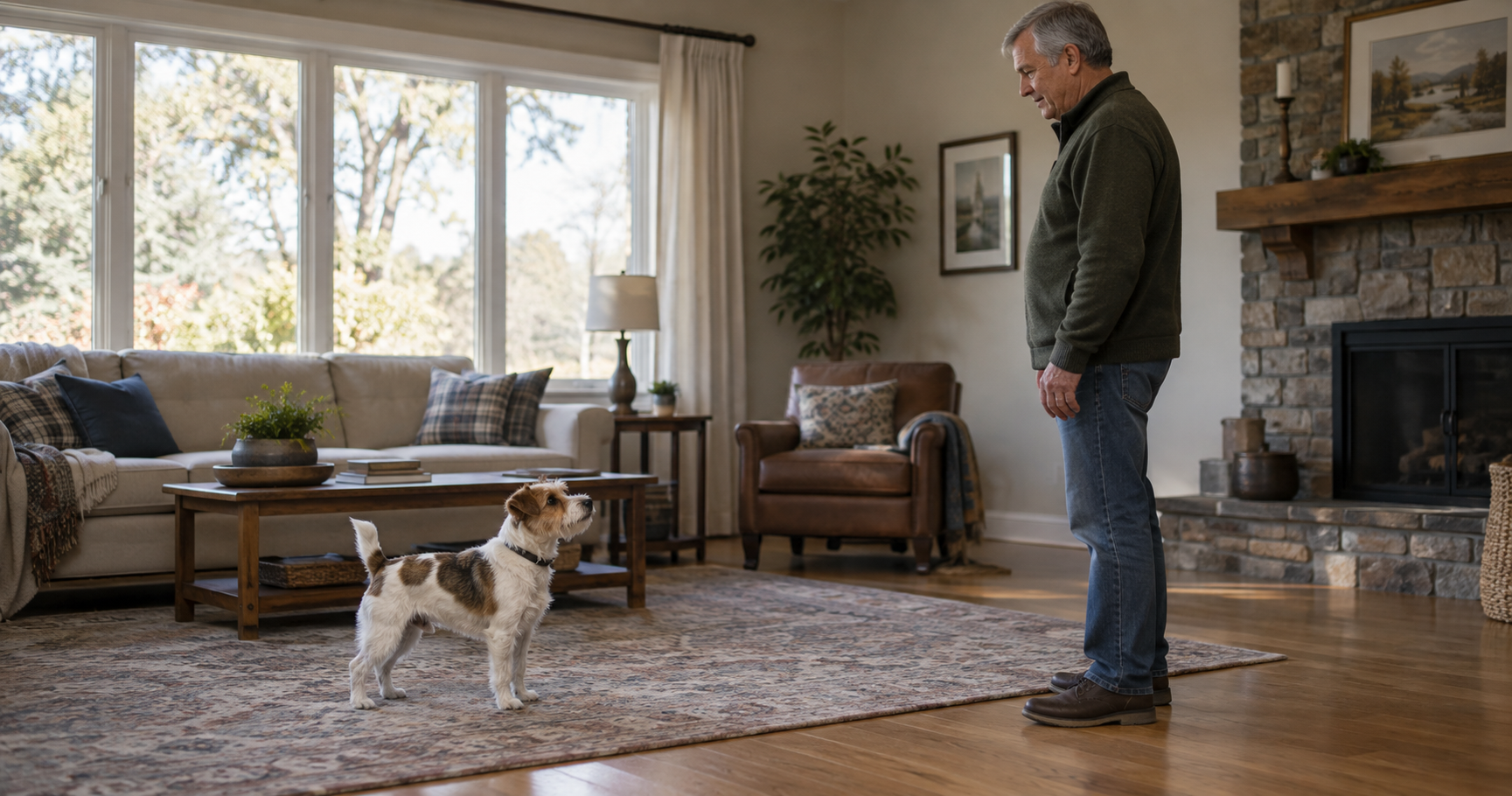
Repeated commands can hide unclear signals. Check attention, gestures and timing, then rebuild a response to one clear cue.