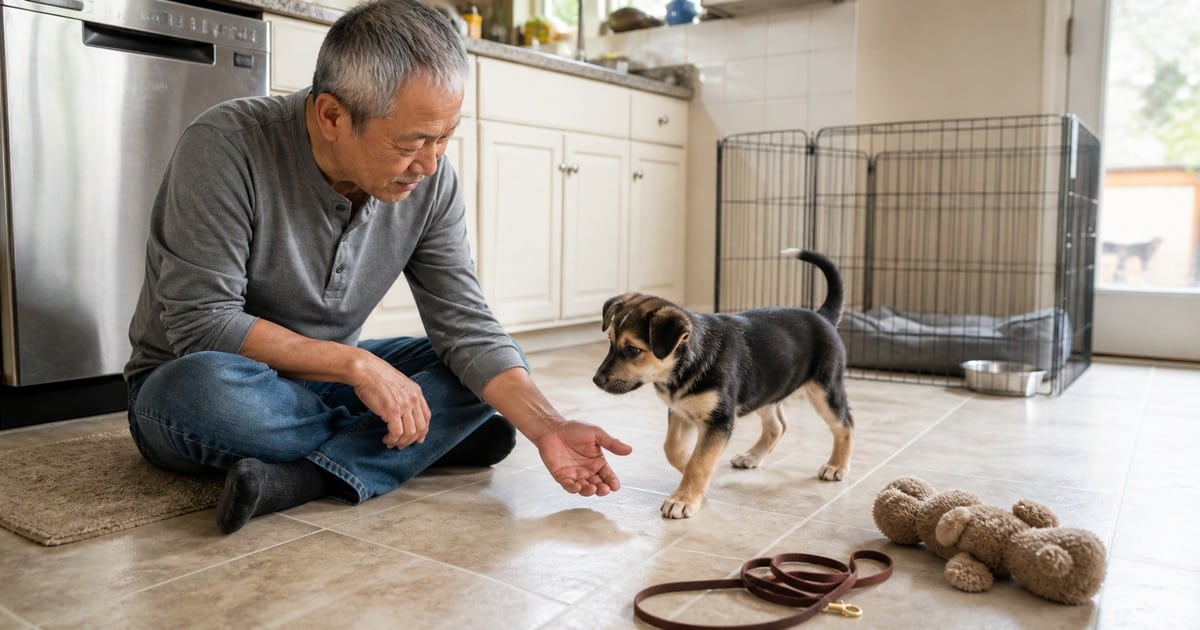
Puppy Training
What Is the Best Age to Start Puppy Training?
Puppy training begins at home with routines, attention, rest, handling, and short practice. Use readiness—not a rigid age—to decide when to add more difficulty.

Puppy training begins at home with routines, attention, rest, handling, and short practice. Use readiness—not a rigid age—to decide when to add more difficulty.
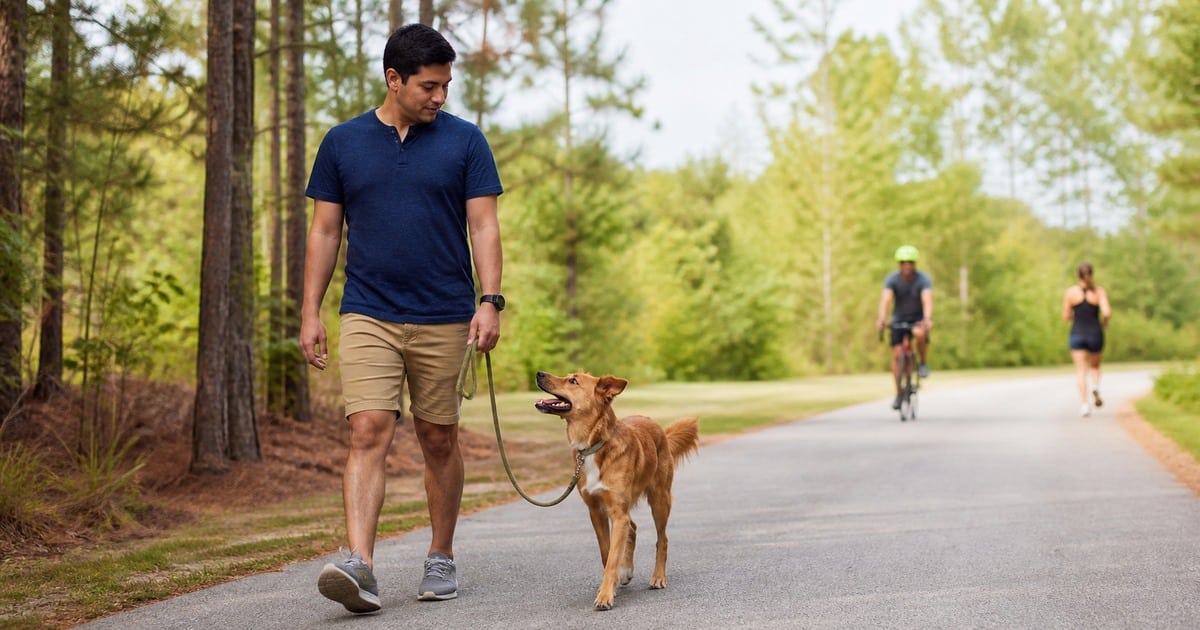
Loose-leash walking improves when practice matches the dog’s actual difficulty. Build a distraction ladder, stop rewarding the pull, and learn where your dog can still respond.
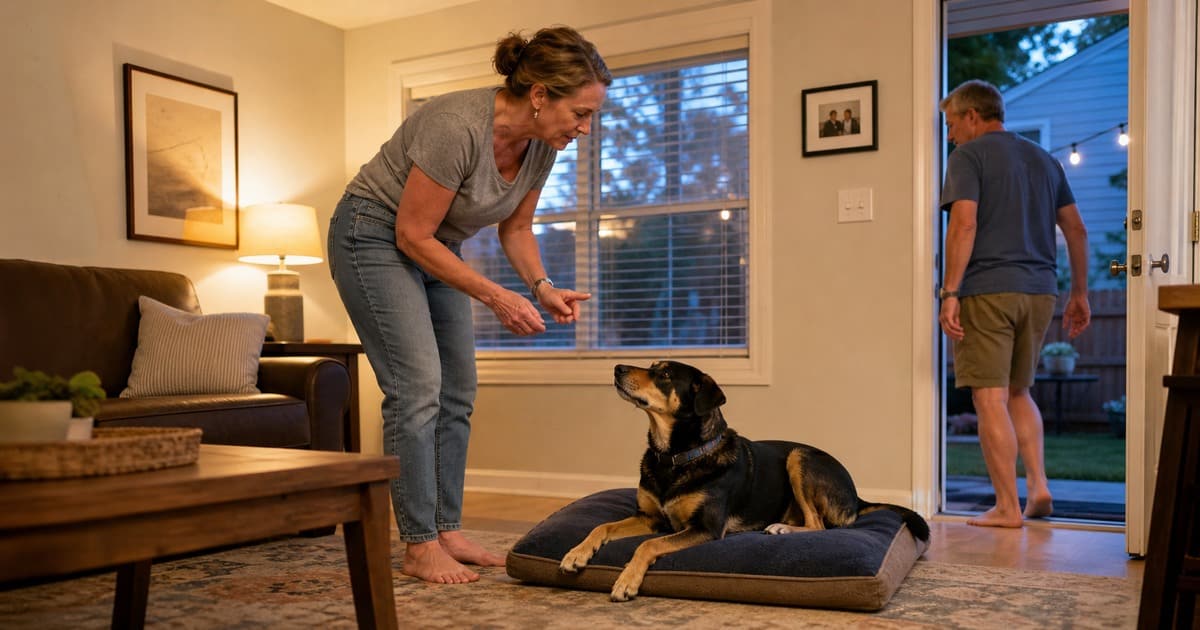
The first month after board and train is a transfer of responsibility. Learn how to handle the return home, rebuild daily routines, and add real-life difficulty without losing the plan.
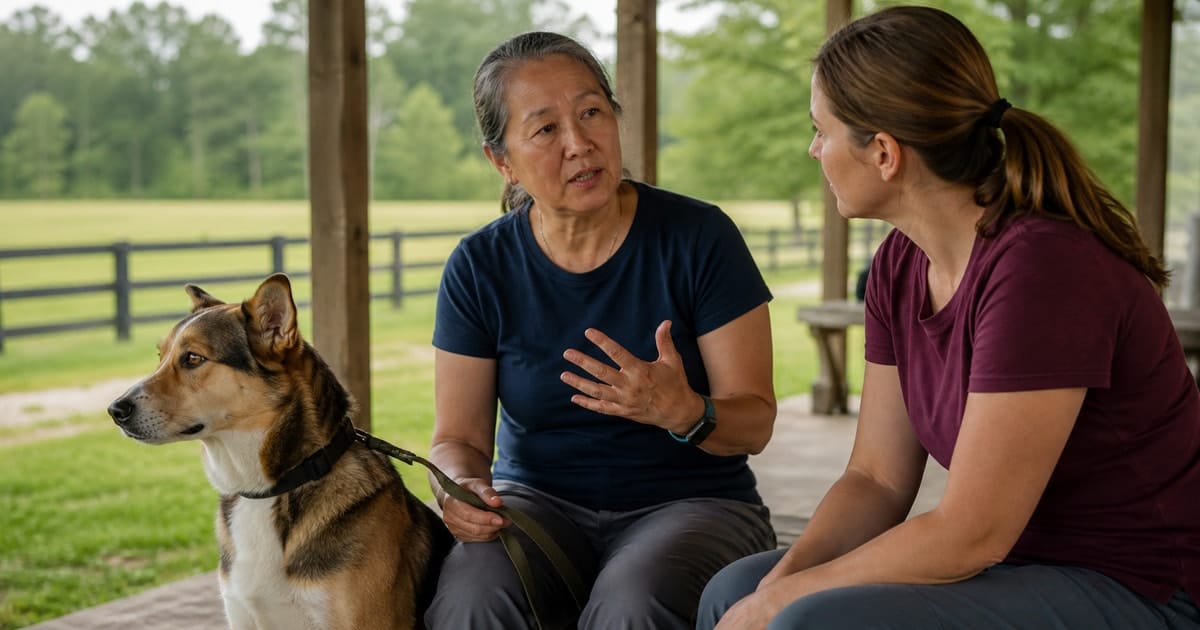
You do not need to diagnose your dog before an evaluation. Bring a few honest examples, disclose safety concerns, and make sure the recommendation answers four practical questions.

Private training and Board and Train put the early work in different hands. Here is how to decide which week—and which responsibility—fits your dog and household.
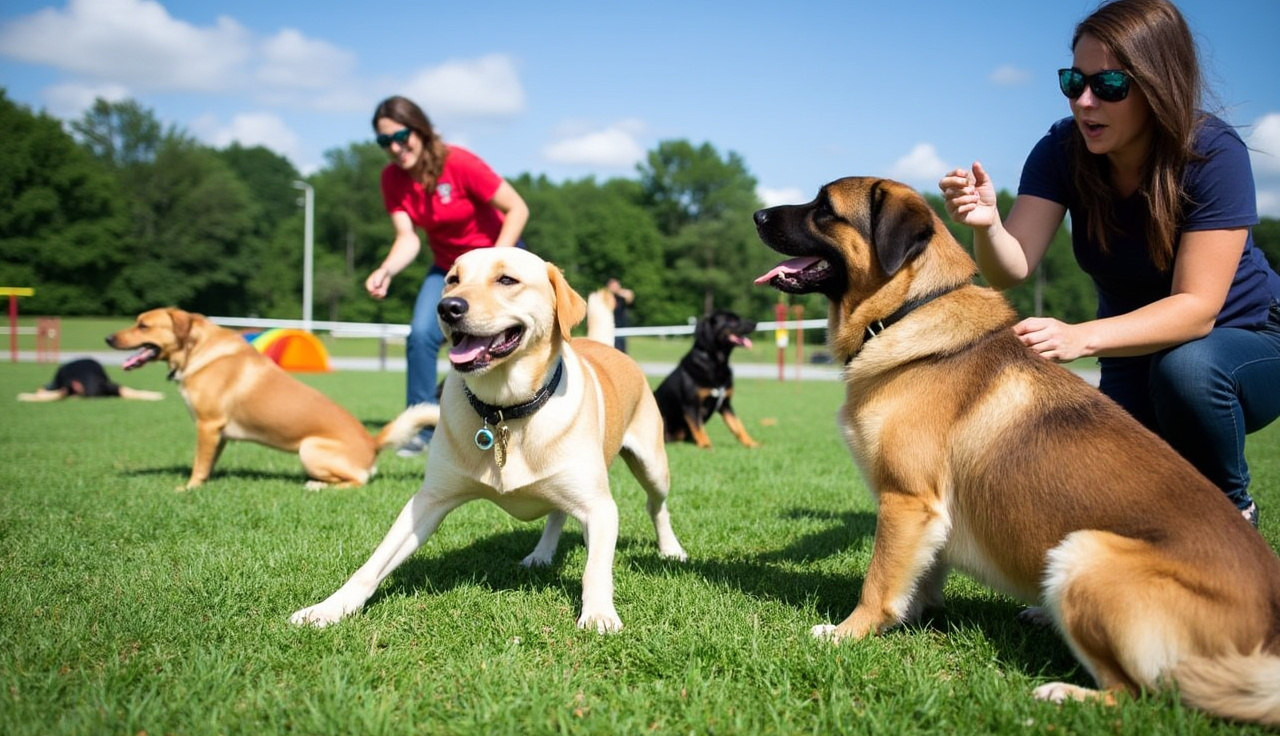
Learn how Raleigh board-and-train programs work, what to expect, and how immersive training can build reliable behavior that continues at home.

Police K9 training should build reliable handler-dog communication, obedience, control, and practical working-team maintenance.
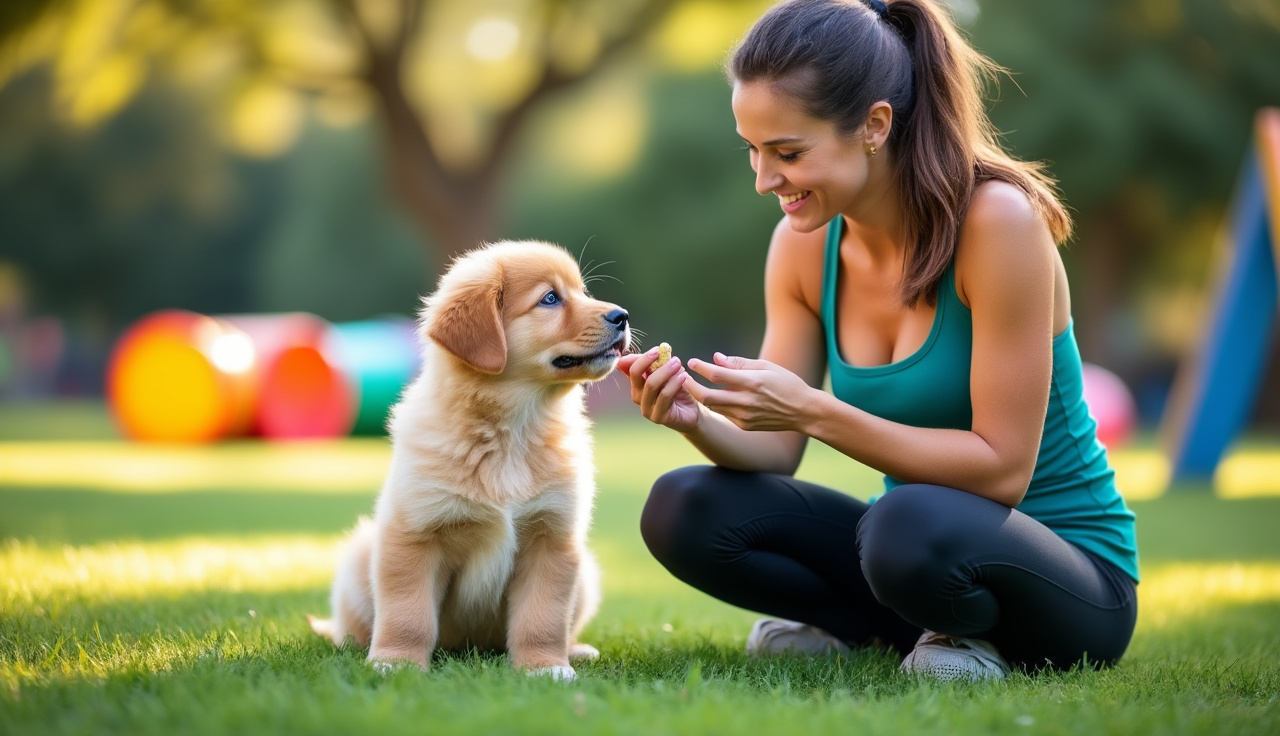
Practical puppy training tips for building routines, attention, leash habits, recall, and confidence from the beginning.
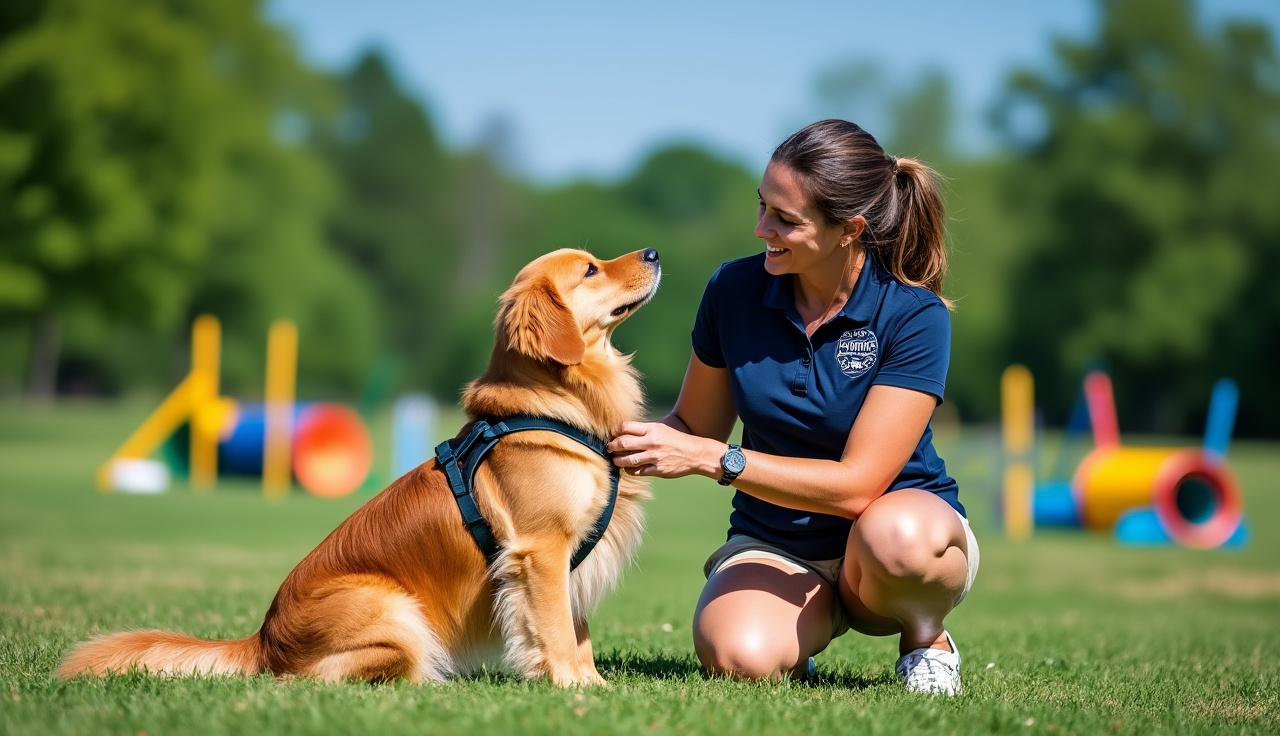
Questions to ask when choosing a Raleigh dog trainer, including evaluations, methods, programs, expectations, reviews, and red flags.