
Dog Behavior
Dog Barks at the TV? Separate Picture From Sound
Reduce TV reactions by managing normal viewing and practicing with a much easier version of the picture or sound your dog can notice comfortably.

Reduce TV reactions by managing normal viewing and practicing with a much easier version of the picture or sound your dog can notice comfortably.
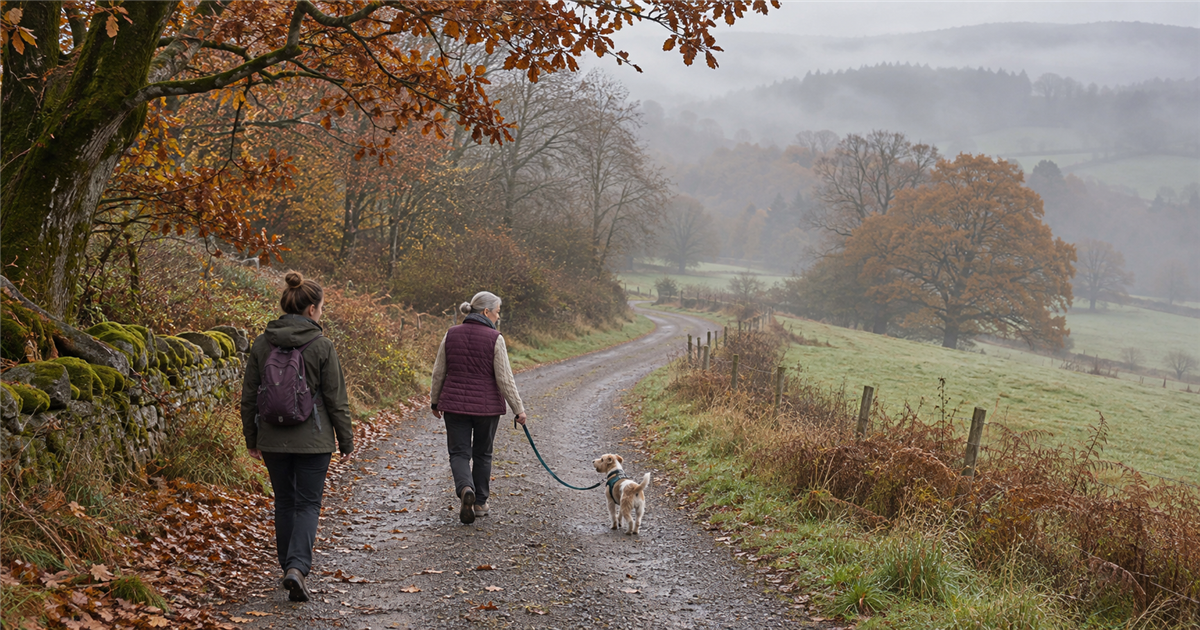
Help a willing dog transfer a familiar walk to another adult in small steps, while distinguishing a handling change from distress about someone leaving.
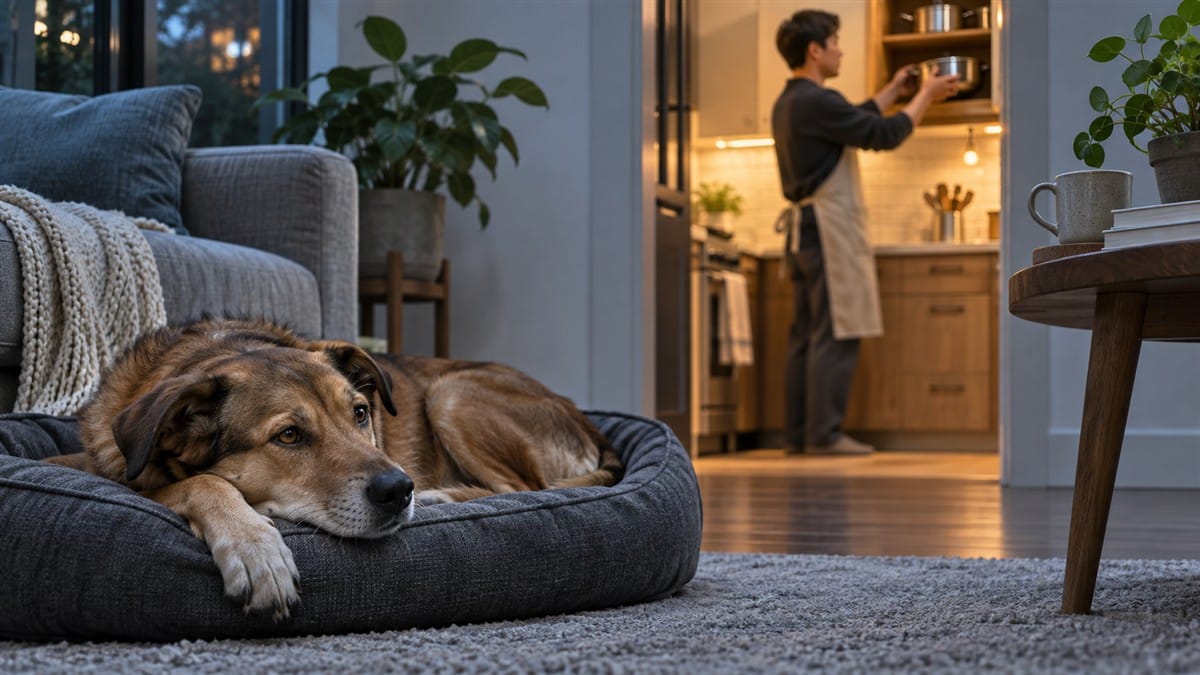
Give your dog a quieter place to recover after a household noise and use what happens next to decide whether practice is appropriate.
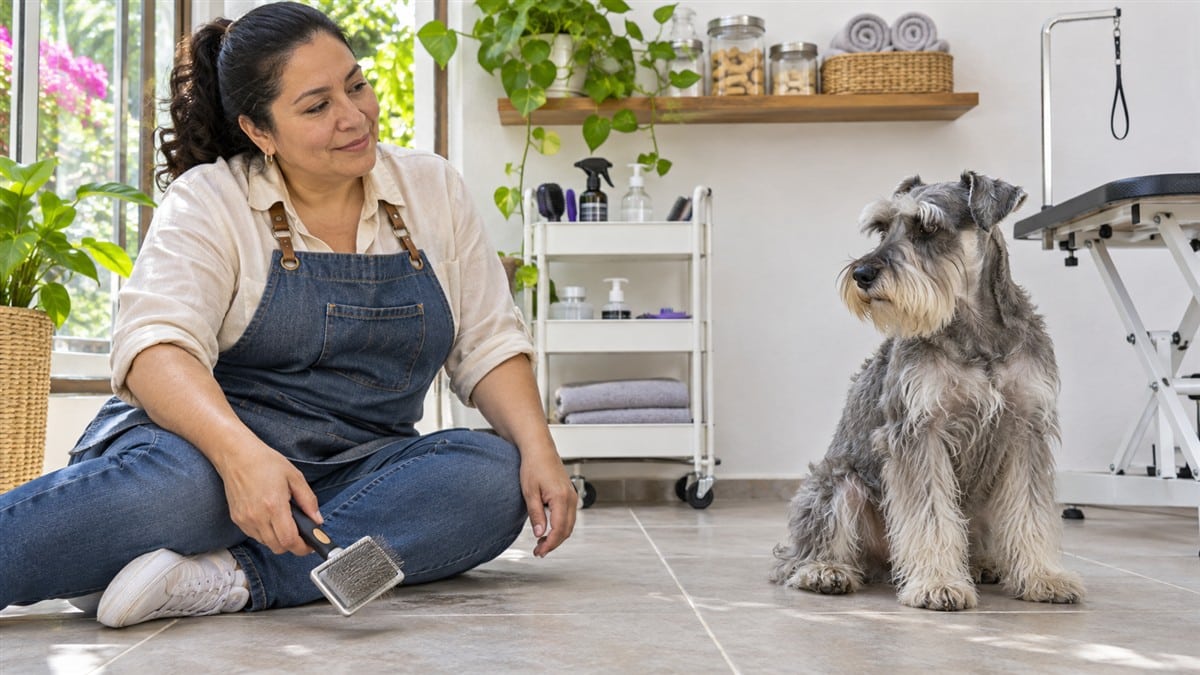
Figure out whether your dog reacts to the sight of the brush, the reach or the stroke, then start at a step they can handle.
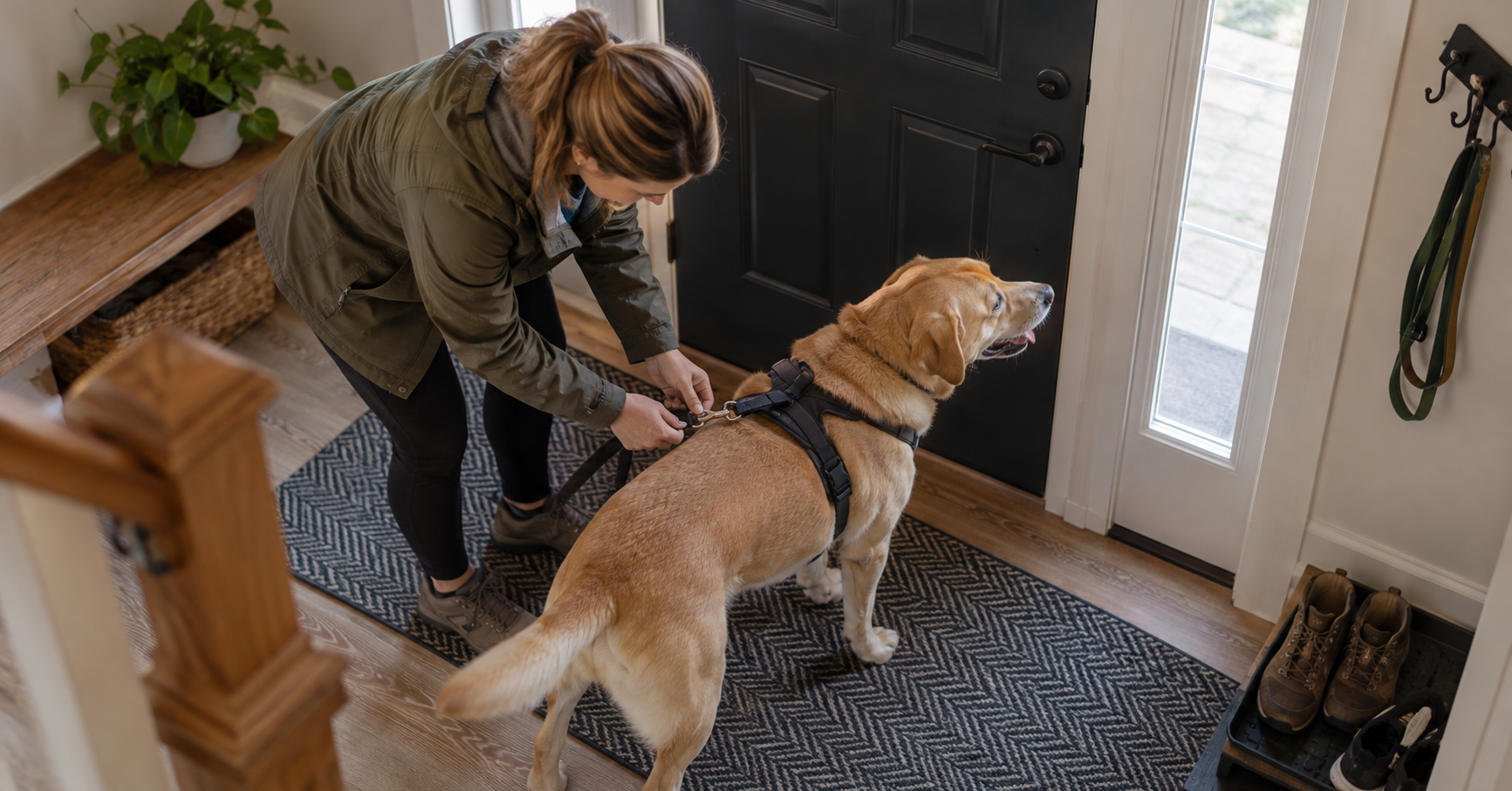
Find the first pre-walk step that sends your dog into rushing or jumping, rehearse an easier version, and keep necessary bathroom trips separate from training tests.
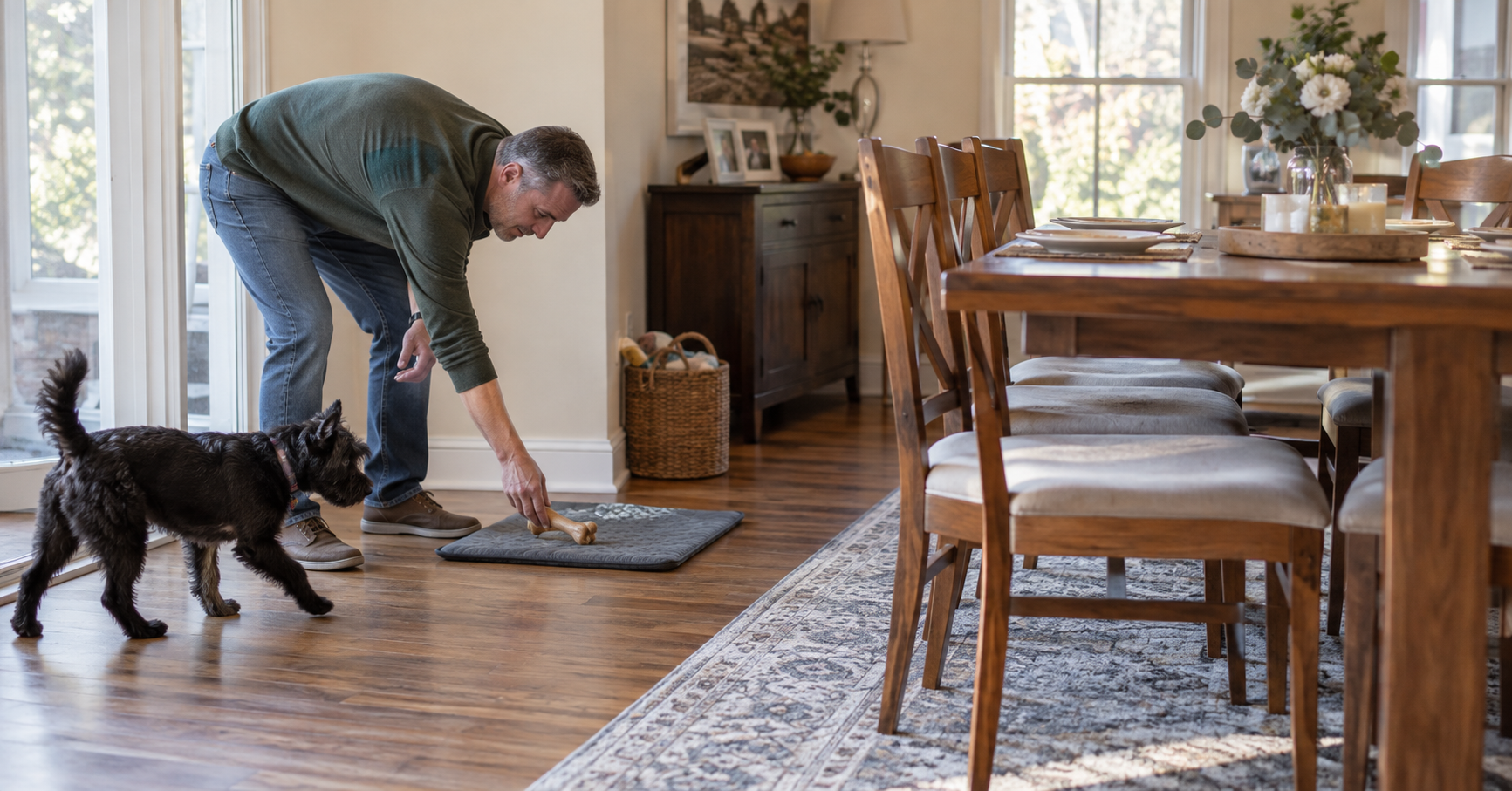
Check your dog’s needs, arrange a comfortable alternative before dinner begins, and reward quiet behavior before barking becomes the way to request food.
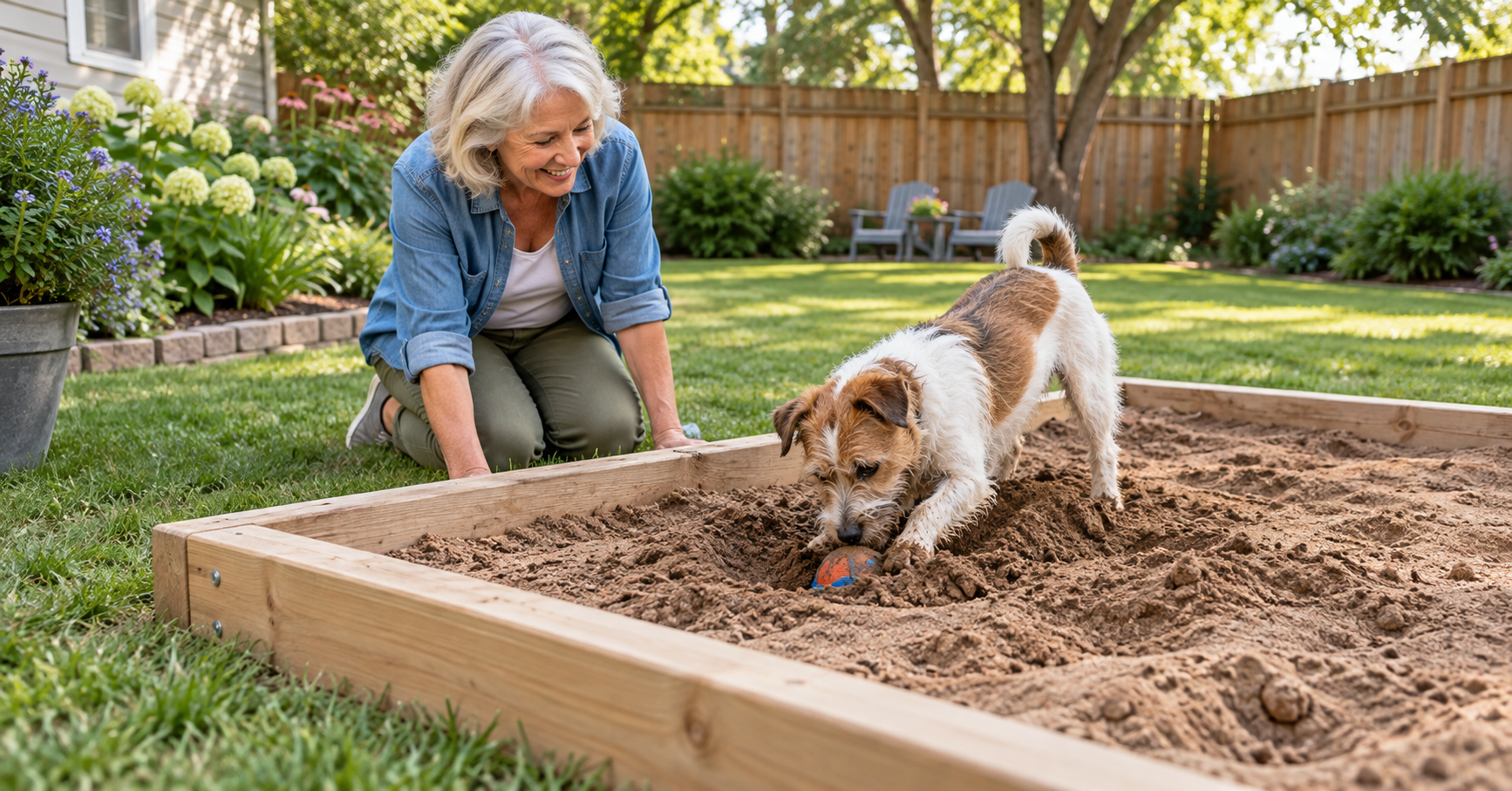
Map where and when digging begins, secure the yard, and teach a designated digging area instead of punishing an old hole.

Find the first part of car travel that changes your dog, rule out pain or nausea, and rebuild entry one voluntary step at a time.
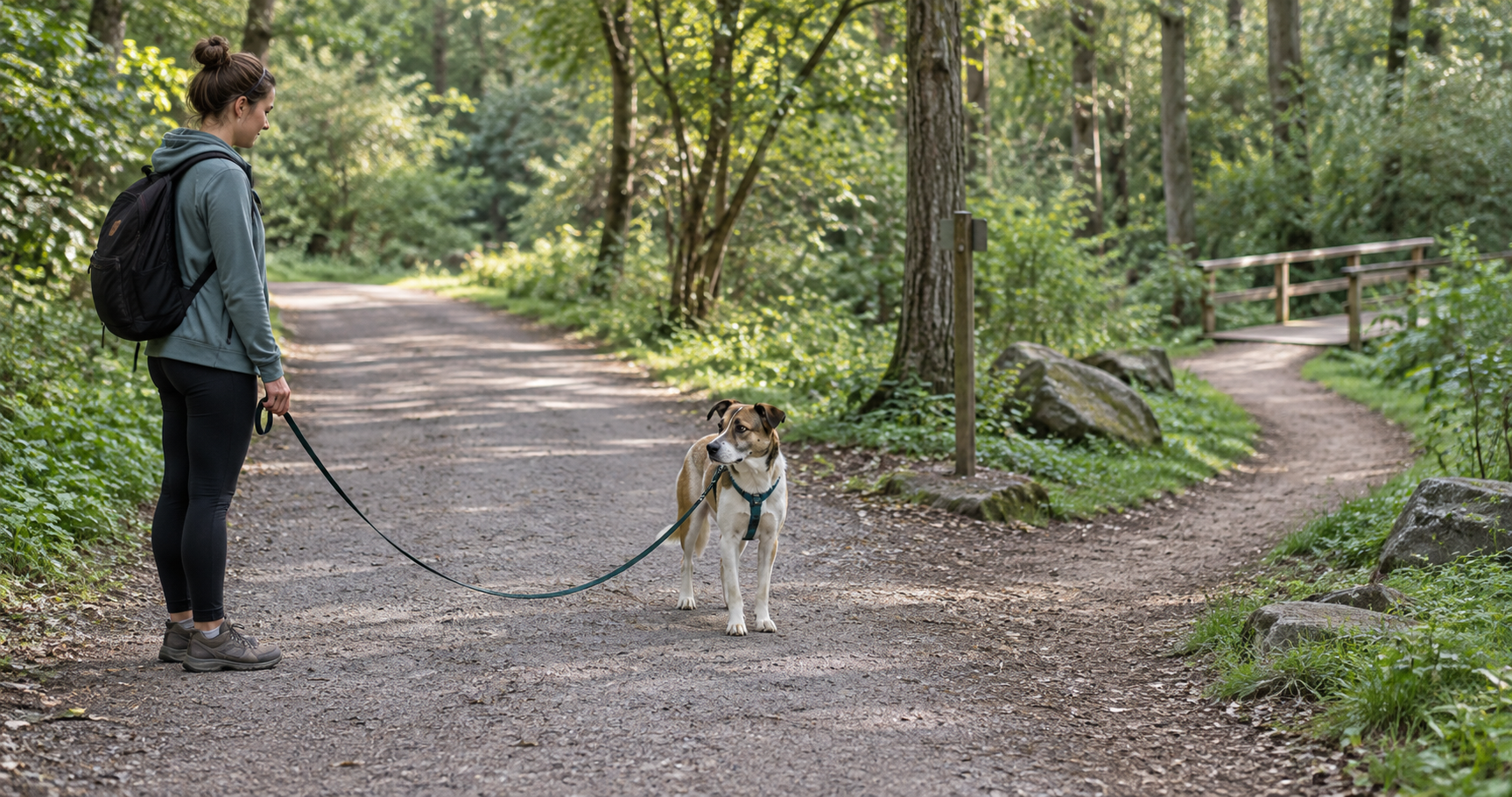
Freezing can reflect fear, discomfort, fatigue or environmental difficulty. Check the whole picture, create space and know when veterinary help comes first.
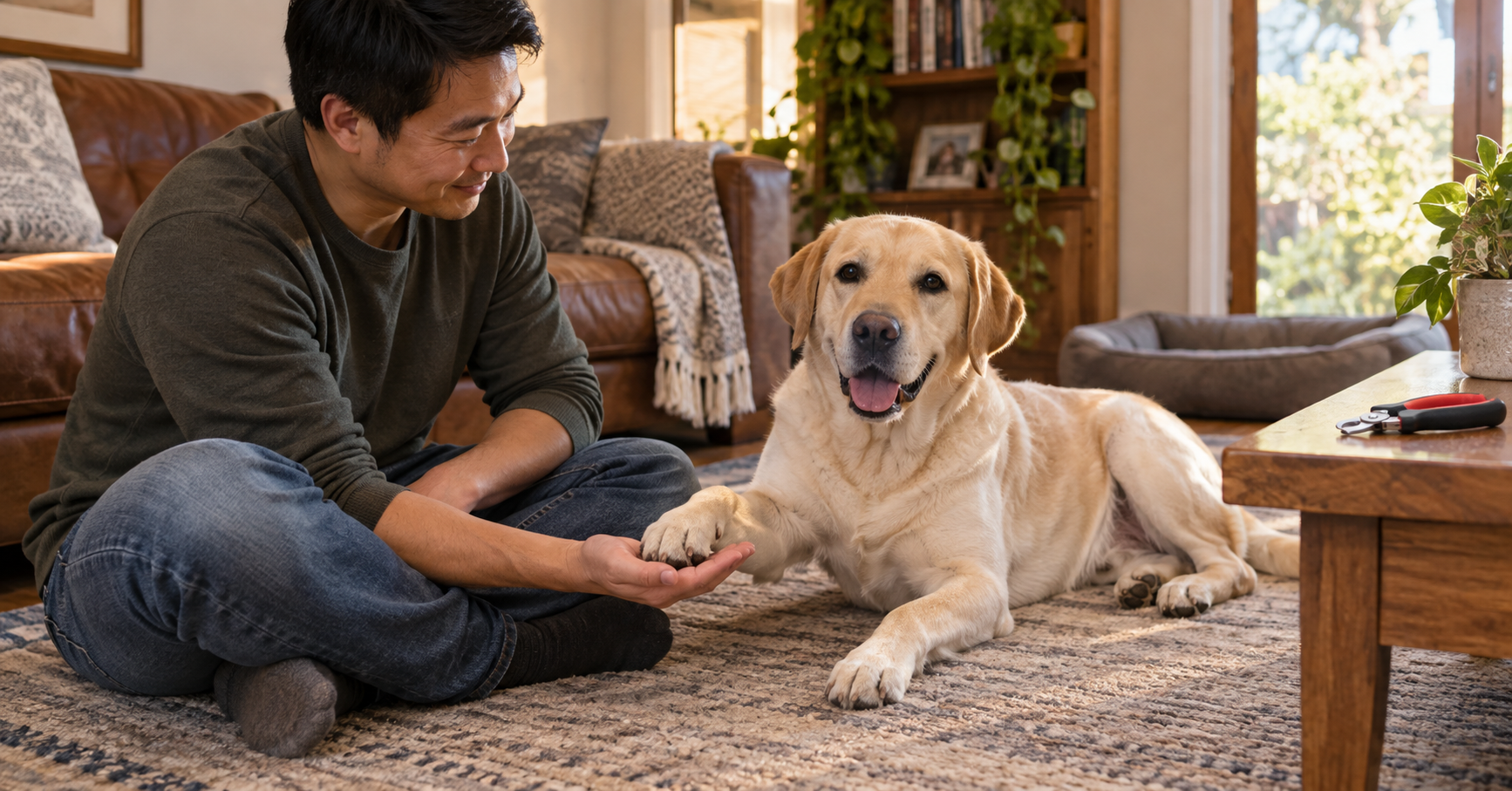
Break paw handling into small voluntary steps, stop before a struggle and separate training from urgent medical or nail-care needs.