Dog Training Guides
Dog Training Plateau: What to Change When Progress Stalls
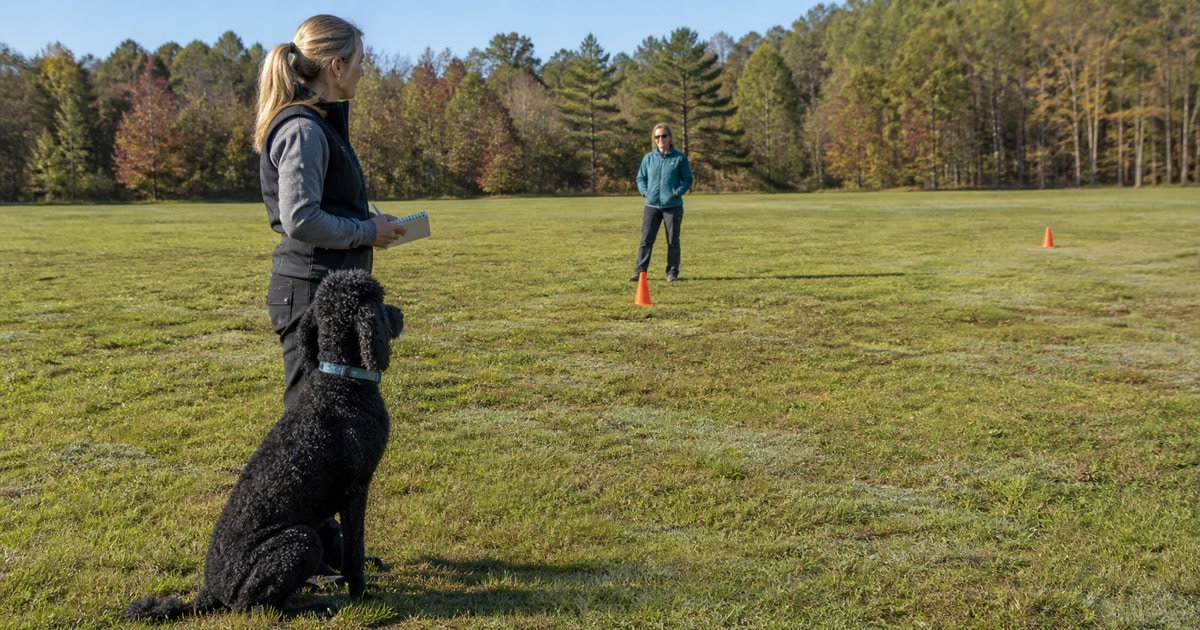
Define the stalled measure, return to an easier picture, and change one training variable before adding pressure or repeating cues.

Define the stalled measure, return to an easier picture, and change one training variable before adding pressure or repeating cues.
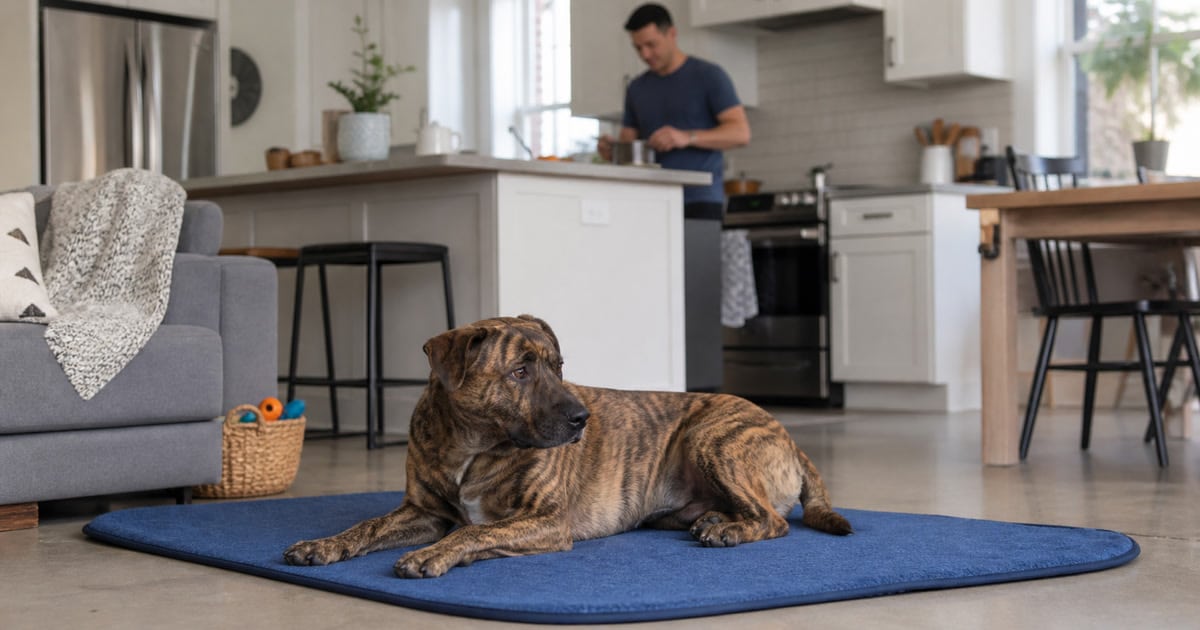
Teach mat settling by building location, relaxed position, duration, distance, and distraction one clear step at a time.
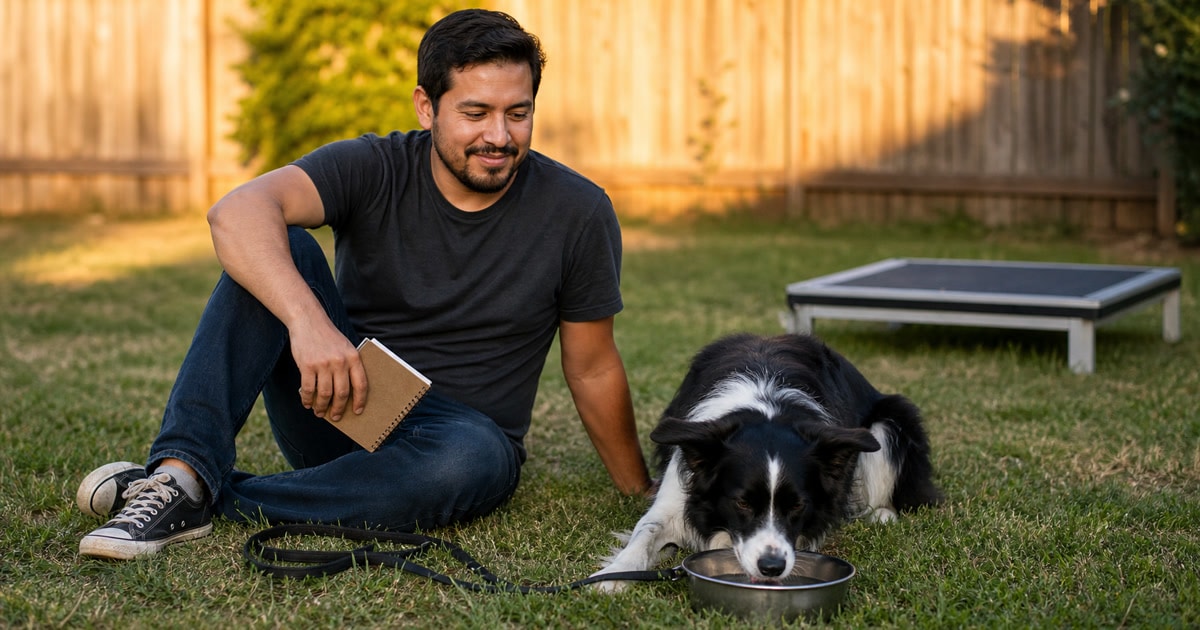
Use the last three repetitions—not a fixed clock—to decide when to simplify, take one clean success, and end a training session.
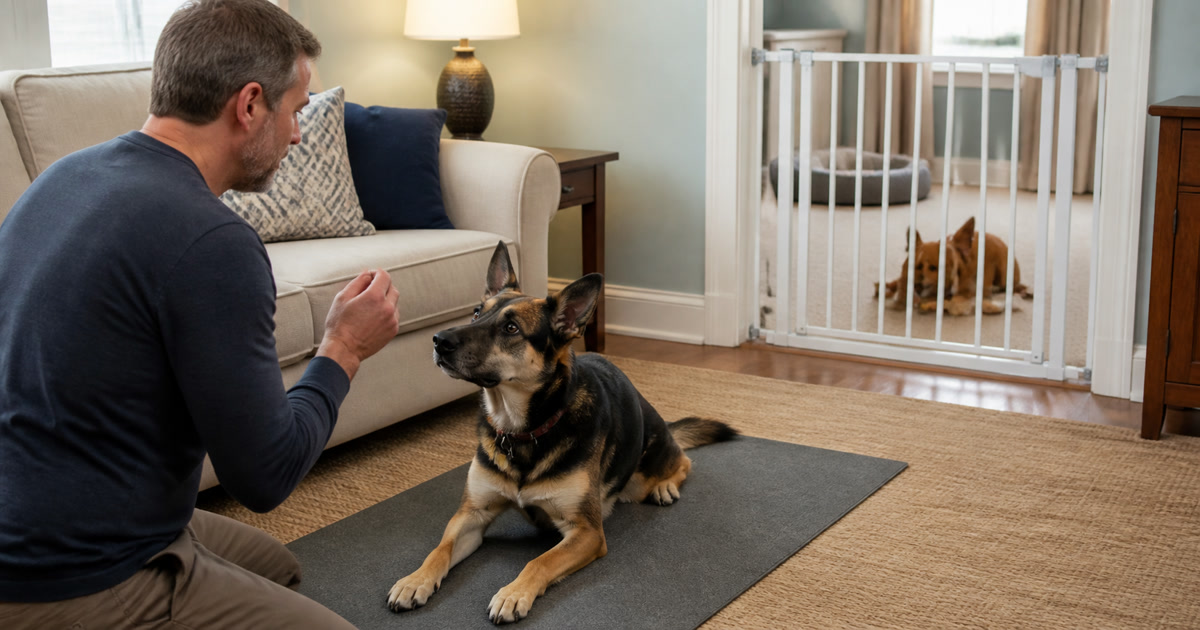
Train new skills one dog at a time, then use names, releases, stations, and a readiness test before practicing together.
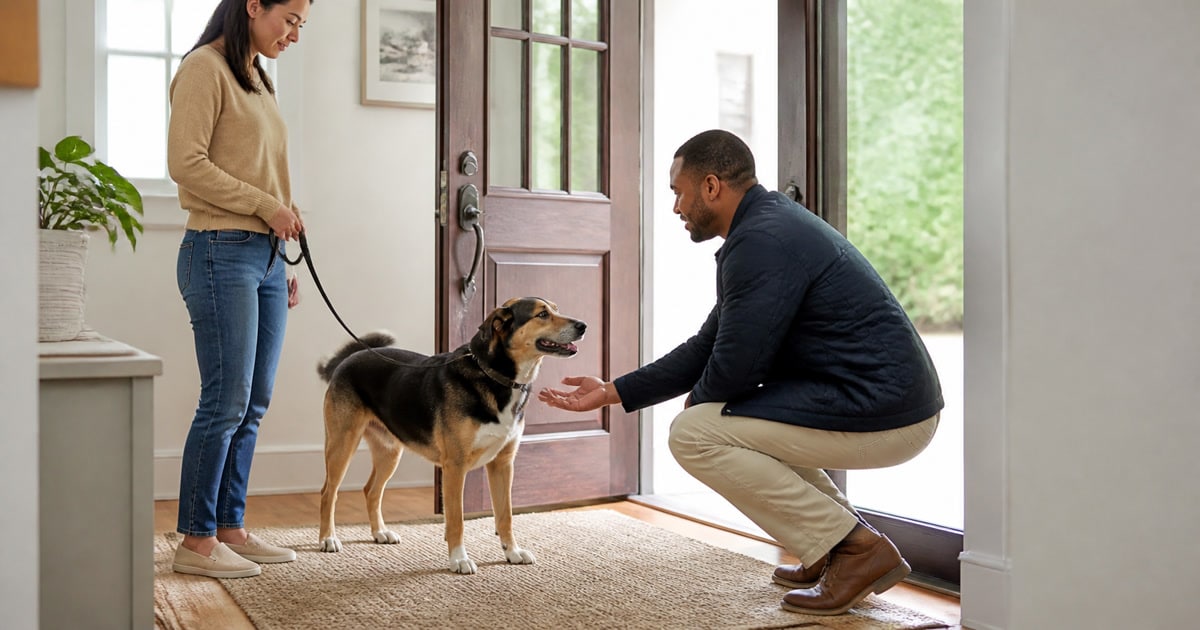
Stop dog jumping by pairing one clear greeting rule with prevention, consistent human timing, and short practice repetitions.
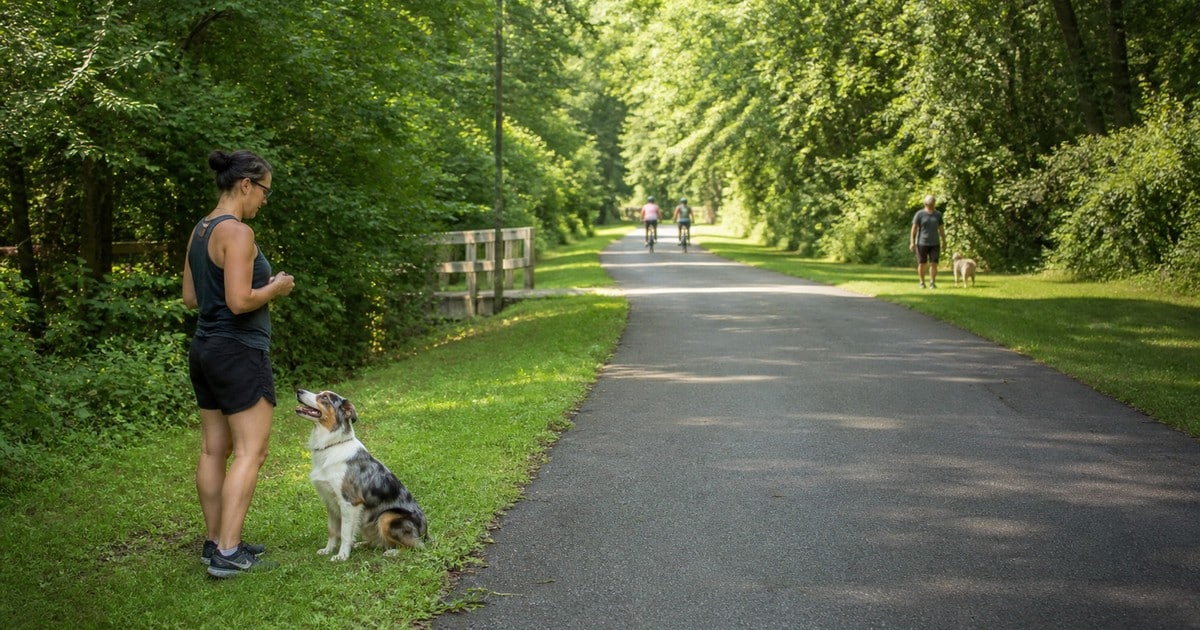
When a dog listens at home but not outside, bridge the gap with working distance, easier locations, and one change in difficulty at a time.
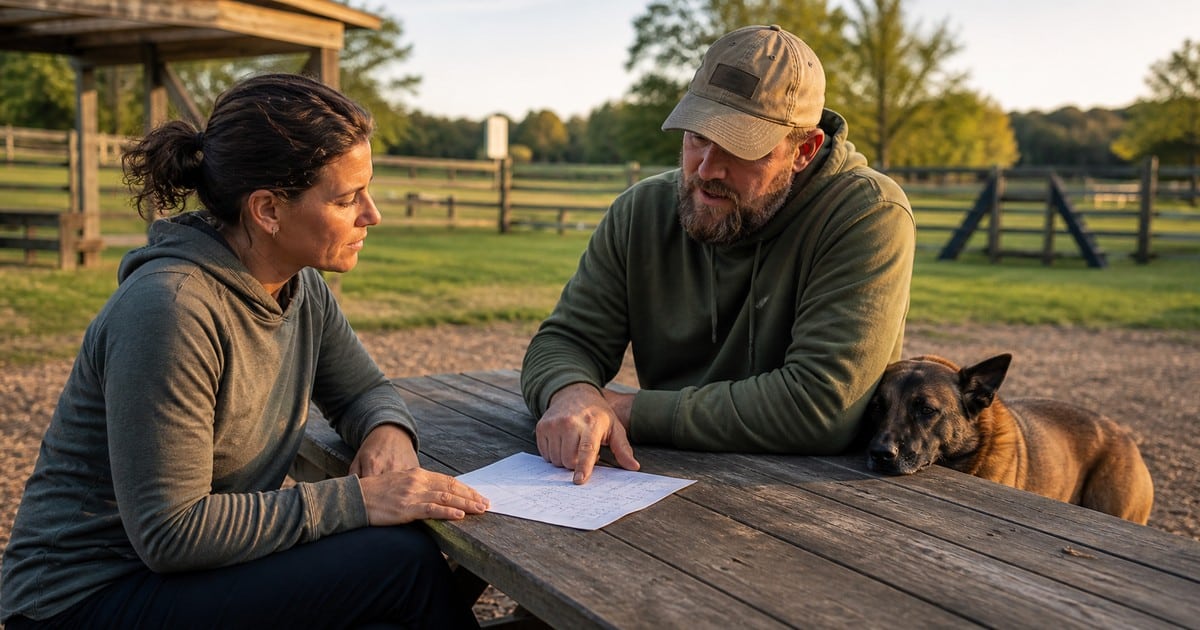
Dog training cost in Raleigh depends on the problem, program format, owner workload, training environment, and support included.
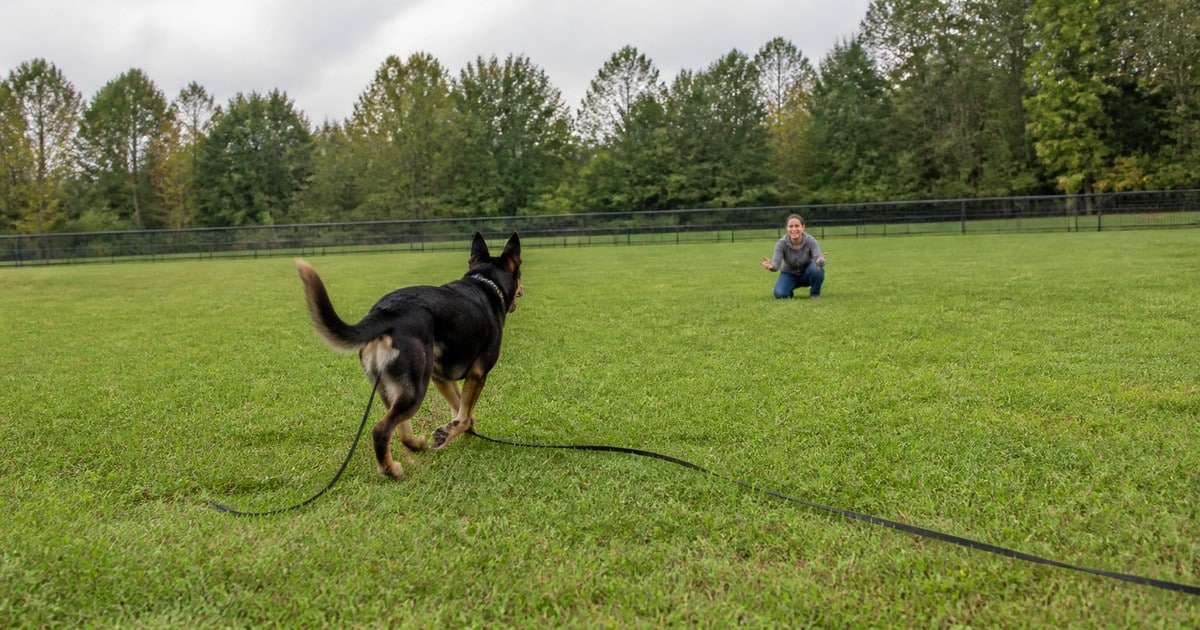
Build a reliable recall with a safe progression of distance and distractions before testing your dog off leash.
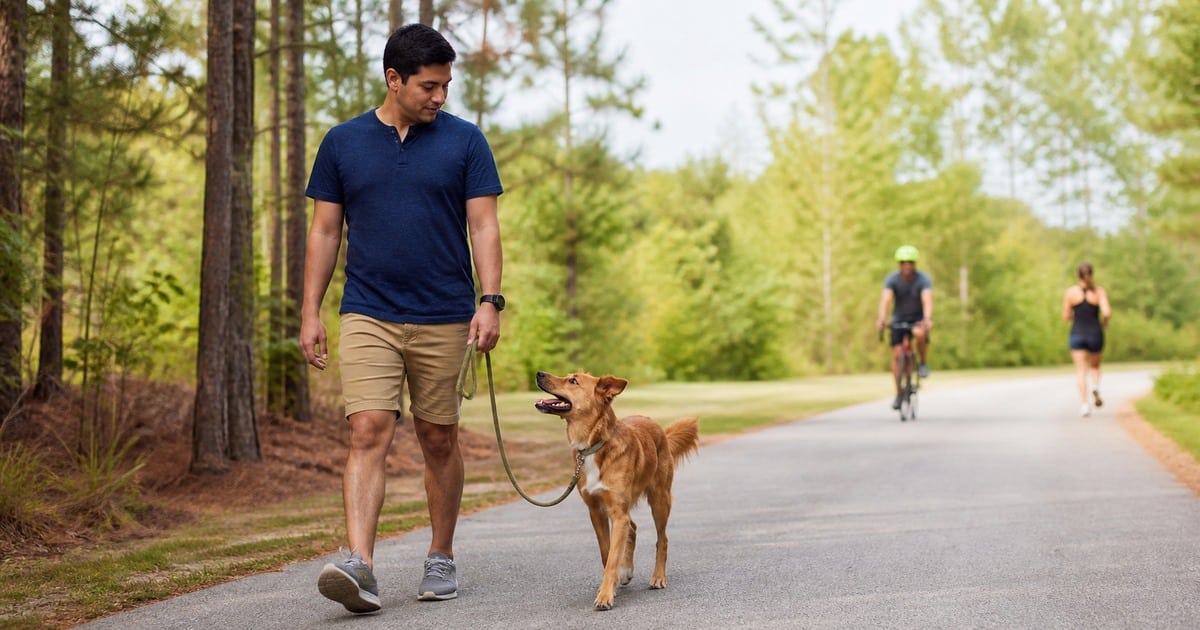
Loose-leash walking improves when practice matches the dog’s actual difficulty. Build a distraction ladder, stop rewarding the pull, and learn where your dog can still respond.
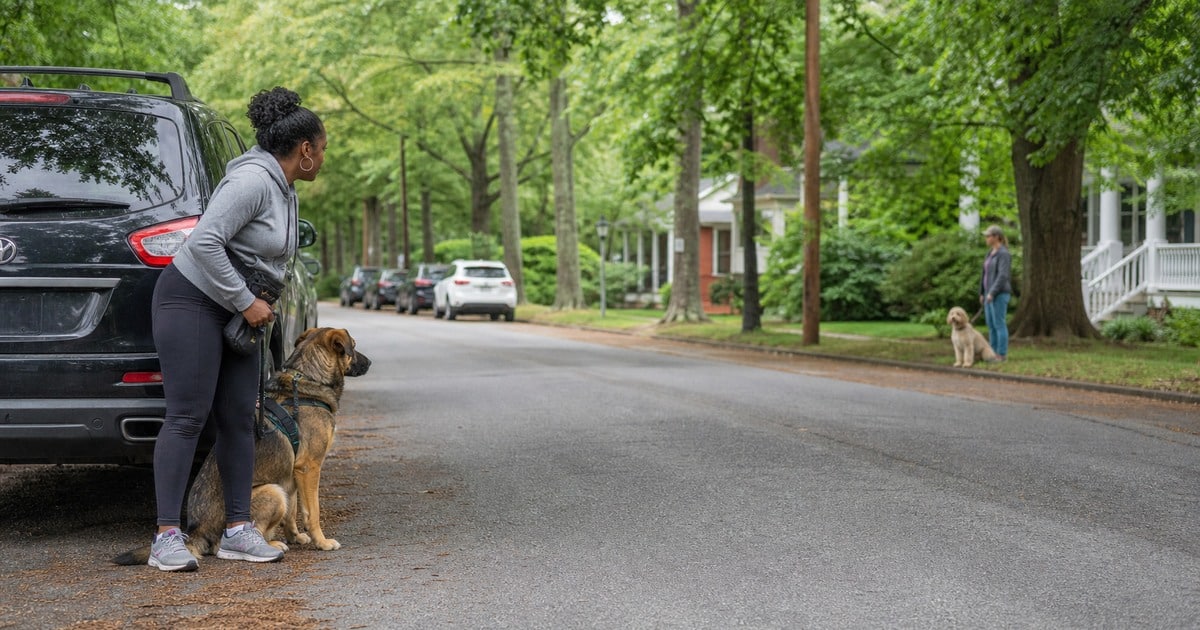
The leash changes a dog’s options, distance, and response to pressure. Learn what to observe before a reaction, how to keep a useful walk log, and when the behavior needs professional evaluation.